Many adult gamers, balancing careers, family, and life, often wonder if the hype around 4K gaming genuinely adds value to their precious playtime. With evolving hardware, impressive visuals, and significant investment required, understanding how important is 4K gaming has become a crucial decision point. This comprehensive guide cuts through the noise, offering practical insights for gamers aged around 36 who seek relaxation, skill-building, social connection, and optimal performance without breaking the bank or wasting limited hours. We address common pain points like hardware compatibility, budget-friendly upgrades, and maximizing visual fidelity without sacrificing frame rates, ensuring your gaming experience is as rewarding as your real-world achievements. Discover if 4K gaming aligns with your priorities, providing genuine value for your time and money in today's dynamic gaming landscape, referencing current US gamer trends where 87% play regularly and average over 10 hours weekly.
What is the primary benefit of 4K gaming?
The primary benefit of 4K gaming is a significant increase in visual fidelity and immersion. With four times the pixels of 1080p, games render with sharper details, smoother edges, and more realistic textures, making virtual worlds appear more vibrant and lifelike. This enhanced clarity can be particularly impactful in graphically rich, single-player experiences, drawing players deeper into the game’s environment and narrative, enhancing the overall enjoyment for those who prioritize visual quality.
How much does a decent 4K gaming setup typically cost?
A decent 4K gaming setup, including a powerful graphics card (like an NVIDIA RTX 4070 or AMD RX 7800 XT equivalent) and a suitable 4K monitor (120Hz+), typically costs between $1500 to $2500 for the components alone, excluding the rest of the PC build. For top-tier performance at 4K with high frame rates and max settings, the investment can easily exceed $3000, making it a premium experience requiring significant financial commitment.
Will my internet speed affect 4K gaming performance?
Your internet speed primarily affects online multiplayer gaming and downloading games, but it generally does not directly impact the in-game rendering performance of 4K resolution. Local rendering performance at 4K is determined by your PC's hardware (GPU, CPU, RAM). However, if you're streaming 4K games via a cloud gaming service, then a very fast, stable internet connection (100Mbps or more) is absolutely critical for a smooth 4K streaming experience without lag or visual artifacts.
Is a 4K monitor necessary for 4K gaming?
Yes, a dedicated 4K monitor or television is absolutely necessary to experience 4K gaming. Even if your graphics card is rendering games at 4K resolution, you won't see the full benefit of that resolution without a display capable of natively showing 3840 x 2160 pixels. Without a 4K display, your game will be downscaled to your monitor's native resolution, losing the crispness and detail that 4K offers.
Can 4K gaming be combined with high refresh rates?
Yes, 4K gaming can be combined with high refresh rates, and this combination offers the ultimate visual and performance experience. Many modern 4K monitors now support refresh rates of 120Hz, 144Hz, or even higher. However, achieving consistently high frame rates (e.g., 120 FPS) at 4K requires extremely powerful and often expensive graphics cards, as driving both high resolution and high frame rate is incredibly demanding on hardware resources.
Who benefits most from 4K gaming?
Gamers who benefit most from 4K gaming are those who prioritize visual immersion, play graphically intensive single-player story games, and have a sufficient budget for high-end hardware. Also, gamers using larger displays (32 inches for monitors, 55 inches+ for TVs) and those who sit further away from their screens will notice the resolution difference more significantly, making 4K a more impactful upgrade for their specific use case.
Why might a gamer choose 1440p over 4K for their setup?
Many gamers choose 1440p over 4K because it offers an excellent balance between visual quality and performance at a more affordable price point. 1440p provides a significant visual upgrade from 1080p without the extreme hardware demands of 4K, allowing for higher, more consistent frame rates with mid-range to high-end GPUs. This makes 1440p ideal for competitive gamers or those on a budget who still want great visuals without sacrificing fluidity.
For many adult gamers, the joy of diving into a virtual world after a long day of work and family responsibilities is invaluable. We’re not just chasing the latest hype; we’re seeking relaxation, skill-building, social connection, and genuine fun. But amidst the constant buzz of new technology, one question frequently pops up: how important is 4K gaming for our cherished pastime? Is it a game-changer, or just an expensive upgrade that doesn't quite fit our balanced lives and budgets?
You’re not alone if you’ve grappled with this. With the average US gamer around 36 years old, many of us are looking for the best bang for our buck and the most enjoyable experience without endless setup hassles or performance headaches. We want to stay current, certainly, but not at the expense of our wallets or our limited free time. This guide is built specifically for you. We'll cut through the marketing jargon and offer practical, no-nonsense advice on whether 4K gaming truly matters for your specific needs, focusing on value, performance, and a seamless experience. We'll explore current trends, address common pain points like hardware upgrades on a budget, and help you decide if leaping into 4K is the right move for your gaming rig.
What Exactly Is 4K Gaming and How Does It Differ From Other Resolutions?
4K gaming refers to playing video games at a resolution of 3840 x 2160 pixels. This offers four times the pixel count of a standard 1080p (Full HD) display, which is 1920 x 1080 pixels. The key difference lies in the sheer amount of detail and clarity presented on screen; more pixels mean sharper images, finer textures, and smoother edges, making the visual experience significantly more immersive and realistic.
While 1080p has been the industry standard for years and remains highly popular, 4K steps up the visual fidelity dramatically. There’s also 1440p (2560 x 1440 pixels), often considered a sweet spot by many gamers, offering a noticeable visual upgrade over 1080p without the extreme hardware demands of 4K. Understanding these differences is crucial when evaluating how important 4K gaming truly is for your setup and preferences.
Is 4K Gaming Genuinely Important for the Average Gamer Today?
For the average US gamer, who plays regularly (about 87% of adults game, with many averaging 10+ hours a week, balancing it with jobs and family), the importance of 4K gaming isn't universal. While visually stunning, it’s not a mandatory upgrade for a fantastic gaming experience. Many gamers prioritize smooth frame rates and responsive gameplay over absolute pixel count, especially in fast-paced competitive titles where every millisecond counts. For these players, a high refresh rate 1080p or 1440p monitor with a powerful graphics card might offer a superior experience due to consistent, high frame rates.
However, for those who primarily enjoy single-player, graphically rich narrative games and appreciate cinematic visuals, 4K can significantly enhance immersion. Games like Cyberpunk 2077 or Red Dead Redemption 2 truly shine in 4K. It really comes down to your personal priorities: breathtaking visuals versus raw performance. In 2026, while 4K is more accessible, its "importance" remains subjective and dependent on individual gaming habits and genres.
What Hardware Do I Need for a Good 4K Gaming Experience?
Achieving a good 4K gaming experience means investing in powerful hardware. The cornerstone is a high-end graphics processing unit (GPU). You’ll typically need at least an NVIDIA RTX 4070 or AMD RX 7800 XT as a minimum to run modern games at playable frame rates at 4K, and ideally an RTX 4080/4090 or RX 7900 XTX for consistently high settings and frame rates. These cards are significant financial investments, often costing hundreds to over a thousand dollars.
Beyond the GPU, a powerful CPU (like a recent Intel Core i7/i9 or AMD Ryzen 7/9), at least 16GB of RAM (32GB is better for future-proofing and demanding titles), and a fast SSD are also crucial to prevent bottlenecks. Finally, a dedicated 4K monitor or TV is essential. Look for models with a high refresh rate (120Hz or more) and adaptive sync technology (G-Sync or FreeSync) for the smoothest gameplay. Don't forget a robust power supply unit to handle the increased power draw from these components.
Does 4K Gaming Impact Performance and Frame Rates Significantly?
Yes, 4K gaming has a profound impact on performance and frame rates, and this is a critical consideration when evaluating how important is 4K gaming for your setup. Driving four times the pixels of 1080p means your GPU has to work substantially harder, leading to a noticeable drop in frame rates compared to lower resolutions with the same hardware. While a 1080p setup might easily hit 100+ FPS in many games, the same system might struggle to maintain 60 FPS at 4K, even with advanced upscaling technologies like DLSS or FSR.
This trade-off between visual fidelity and performance is why many competitive gamers stick to 1080p or 1440p with high refresh rate monitors (144Hz, 240Hz, or even higher). For them, consistent, high frame rates provide a competitive edge through reduced input lag and smoother visuals. For casual gamers prioritizing immersion in slower-paced titles, a stable 60 FPS at 4K might be perfectly acceptable and worth the visual upgrade, but it's vital to manage expectations regarding frame rate stability.
Is 4K Worth the Investment for Competitive Games Versus Single-Player Immersion?
When considering how important is 4K gaming, the type of games you play significantly influences its value. For competitive multiplayer titles like Valorant, Apex Legends, or Call of Duty, 4K is generally not worth the substantial investment. These games prioritize lightning-fast reflexes, minimal input lag, and the highest possible frame rates. Running them at 4K often means sacrificing those crucial frame rates and potentially introducing more input delay due to the GPU working harder. A 1080p or 1440p monitor with a very high refresh rate (144Hz+) and low response time will almost always give you a competitive advantage.
Conversely, for immersive single-player narrative-driven games such as The Witcher 3, Baldur’s Gate 3, or upcoming photorealistic titles, 4K absolutely shines. The increased detail, sharper textures, and overall visual splendor can deepen immersion and make exploring vast game worlds a truly breathtaking experience. If you’re a gamer who loves getting lost in virtual stories and appreciates every graphical nuance, 4K is a worthy consideration for enhancing that specific type of enjoyment.
How Can I Get Into 4K Gaming on a Budget?
Getting into 4K gaming on a tight budget is challenging but not impossible if you’re willing to make some compromises. The most significant cost is typically the graphics card. Instead of aiming for ultra settings, target playable frame rates (30-60 FPS) at medium-to-high settings. Consider slightly older, but still powerful, generation GPUs on the used market. For instance, an RTX 3080 or RX 6800 XT might be found at a better price point than their newer counterparts and can still handle 4K gaming, albeit with some settings adjustments.
Secondly, instead of a high-refresh-rate 4K monitor, a more affordable 60Hz 4K display can save you hundreds. While you won't get the butter-smooth experience of 120Hz+, 60 FPS is still perfectly enjoyable for many game types. Look for sales on hardware during major shopping events. Also, leverage technologies like NVIDIA DLSS or AMD FSR – these upscaling techniques render games at a lower resolution internally and intelligently upscale them to 4K, providing near-native 4K visuals with significantly better performance, making 4K more accessible on less powerful hardware.
Are There Alternatives to 4K That Offer Great Visuals?
Absolutely! For many gamers, particularly those balancing life and budget, 1440p resolution is often considered the 'sweet spot' for PC gaming in 2026. It offers a significant visual upgrade over 1080p, providing much sharper images and more screen real estate, without the extreme hardware demands and costs associated with 4K. A good 1440p monitor (especially with a high refresh rate like 144Hz or 240Hz) paired with a mid-to-high-range GPU (like an RTX 4060 Ti or RX 7700 XT) can deliver stunning visuals at consistently high frame rates in most modern titles.
Another excellent option is leveraging super-ultrawide monitors. While not strictly a resolution alternative, a 3440x1440 or 5120x1440 ultrawide monitor can provide an incredibly immersive experience due to its expansive field of view, often at less taxing performance requirements than a true 4K display. These options cater well to the 60% of gamers who prioritize a balance of visual quality, performance, and value for money.
How Do Monitor Size and Viewing Distance Affect 4K Perception?
The perceived impact of 4K resolution is heavily influenced by your monitor’s size and your typical viewing distance. On a smaller monitor, say 24-27 inches, sitting at a typical desk distance, the difference between 1440p and 4K can be harder to discern for the average eye. The pixel density is already very high at 1440p on these sizes, making the jump to 4K less dramatic.
However, once you move to larger screens (32 inches and above) or when gaming from a greater distance (like on a living room TV), the benefits of 4K become much more apparent. On a large display, 1080p or even 1440p can start to look “pixelated” or less sharp, whereas 4K maintains its crispness. For console gamers hooked up to a 55-inch+ living room TV, 4K is almost a necessity to avoid blurry images and fully appreciate modern game graphics. This factor is crucial when deciding how important is 4K gaming for your specific setup.
What Are the Future Trends for 4K Gaming and Beyond?
The future of 4K gaming is looking increasingly brighter, even as newer resolutions like 8K hover on the horizon. In 2026, we’re seeing more affordable 4K monitors and TVs, and GPUs are becoming more efficient at handling the demanding resolution, partly thanks to advanced upscaling technologies like DLSS, FSR, and upcoming Intel XeSS iterations. These AI-powered techniques are crucial for making high-fidelity 4K gaming accessible to a broader range of hardware, offering impressive visuals without always needing the absolute top-tier GPU.
Beyond 4K, 8K is still largely a niche for gaming, requiring truly exorbitant hardware. However, advancements in display technology, such as OLED and Mini-LED, are enhancing the visual impact of all resolutions, making colors more vibrant and blacks deeper. Furthermore, as cloud gaming services improve, they could make high-resolution gaming more accessible without local powerful hardware, shifting the discussion of how important is 4K gaming from a hardware cost perspective to a subscription model. Social gaming trends, especially cross-play between PC and console, will continue to drive demand for beautiful visuals across platforms.
How Does 4K Gaming Fit into a Balanced Gaming Lifestyle?
For adult gamers balancing jobs, families, and other life commitments, integrating 4K gaming involves careful consideration. It’s about finding the sweet spot where visual enjoyment meets practicality and budget. If your gaming time is limited and focused on unwinding with visually rich, story-driven experiences, investing in 4K might elevate that relaxation, provided your budget allows for the necessary hardware and you don’t mind stable 60 FPS rather than competitive 120+ FPS.
However, if your gaming sessions are shorter, involve more competitive multiplayer, or if budget is a primary concern, then prioritizing a high refresh rate 1440p setup might offer a more balanced and equally enjoyable experience without the premium cost or the hassle of constant performance tweaking. The key is to optimize for what brings you the most joy and value, not just what’s currently marketed as the “best.” Remember, gaming should be fun and stress-free, fitting seamlessly into your life, not adding more complexity. Social play, a significant trend in modern gaming, can be just as engaging at any resolution.
Conclusion
Deciding how important 4K gaming is boils down to your personal preferences, budget, and the type of games you enjoy most. It offers unparalleled visual fidelity, especially on larger screens, but demands a significant hardware investment and often a trade-off in raw frame rates. For competitive players, 1440p or even 1080p at high refresh rates might still be the smarter choice. However, for those who crave immersion in stunning single-player worlds and have the budget, 4K can undeniably elevate the experience.
Ultimately, the goal is to optimize your gaming setup for maximum enjoyment without unnecessary stress or financial strain. As technology continues to evolve, 4K will become more accessible, but for now, it's a choice that reflects your priorities. What’s your biggest gaming challenge when it comes to upgrading or optimizing your setup? Comment below!
FAQ Section
Can my current PC run 4K games?
A PC needs a powerful dedicated graphics card (like an RTX 4070 or better), a strong CPU, and sufficient RAM (16GB+) to run modern games smoothly at 4K resolution. Check your GPU's specifications against game requirements.
Is 4K only for PC gaming, or can consoles do it too?
Modern consoles like the PlayStation 5 and Xbox Series X are capable of 4K gaming, often using upscaling techniques to achieve stable frame rates. Many console gamers primarily use 4K TVs, making 4K a standard console experience.
Will 4K gaming make me a better player?
No, 4K gaming generally will not make you a better player, especially in competitive titles. High frame rates and low input lag, often found at lower resolutions, are more crucial for competitive advantage than pixel count.
Are all games optimized for 4K?
While many modern games support 4K resolution, not all are equally optimized. Older titles or indie games might not offer native 4K assets, and performance can still vary widely even with powerful hardware.
What’s the ideal monitor size for 4K gaming?
For PC gaming at a desk, 32 inches is often considered ideal to fully appreciate 4K’s detail without being overwhelming. For living room console gaming, 55 inches or larger TVs benefit greatly from 4K resolution.
Does 4K gaming consume more electricity?
Yes, running games at 4K resolution typically demands more power from your graphics card and overall system, leading to increased electricity consumption compared to gaming at lower resolutions.
4K gaming offers enhanced visual fidelity but demands significant hardware investment. Its importance varies based on game genre, monitor size, and player priorities like competitive performance versus immersive visuals. Budget-conscious gamers can find excellent experiences without 4K. Balancing cost, performance, and visual upgrade is key.
35



Top 10 Most Anticipated Games Of 2026 What To Watch Out For TVN GAMES IN 2026 . 6 Best 4K Gaming GPUs Of 2026 Top 4k Gaming Gpus 2025 . 2026 4K Gaming Monitors GPU Balance And Best Settings 2 3 1 . ASUS ROG A Complete Gaming Ecosystem Seen Firsthand CES 2026 G 129b3e09 Asus Rog 20th Ces 2026 1200x624 1 . TOP 30 BIGGEST NEW Games Coming In 2026 With Crazy NEXT GEN 4K Graphics



DLSS 5 Explained Is AI Gaming The Future In 2026 Image 2026 06 21 204357113 Bb1337aa A8f2 49ef 932a . Asus New 5K Gaming Monitor Is So High End It Doesn T Even Officially . 20 Most Anticipated Video Games Of 2026 Page 18 1200x675 . The Best Gaming Phones For 2026 The Best Gaming Phones For 2025 2g66 .



Apple TV 4K 2026 The Definitive Guide Geeky Gadgets Apple TV 4K.webp. Xbox 2026 Comeback Starts On January 22 With Forza Horizon 6 And Fable Best Gaming Consoles Hero Image . Download 3d 2026 Digits 4k 2026 Concepts Red Technology Background Thumb2 3d 2026 Digits 4k 2026 Concepts Red Technology Background 2026 New Year . 2026 New Year 4K Wallpaper 4825k Wallpaper IPhone Phone 2026 New Year 482@5@k. 2026 Year 8k Wallpapers Wallpaper Cave Wp16005923
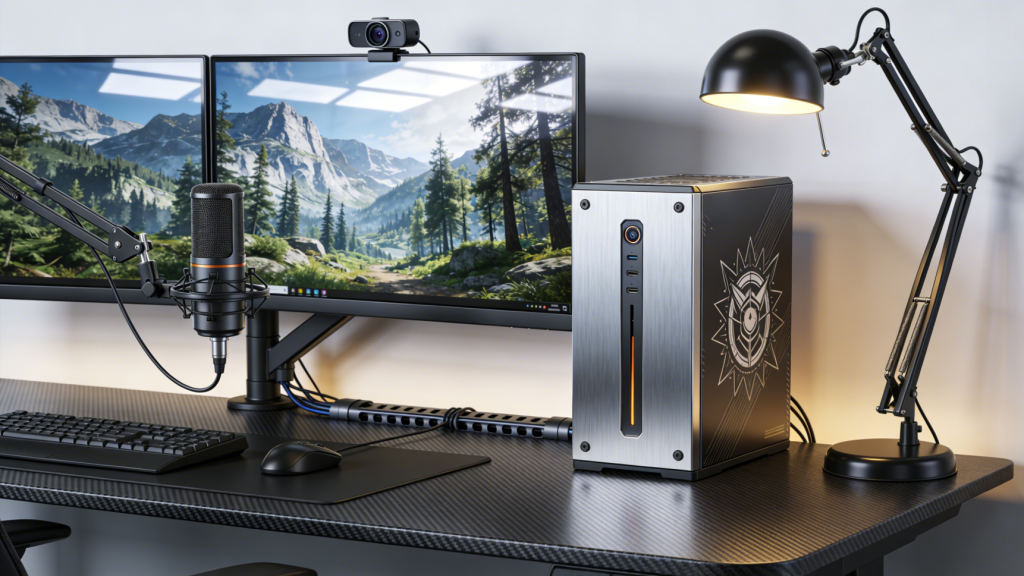
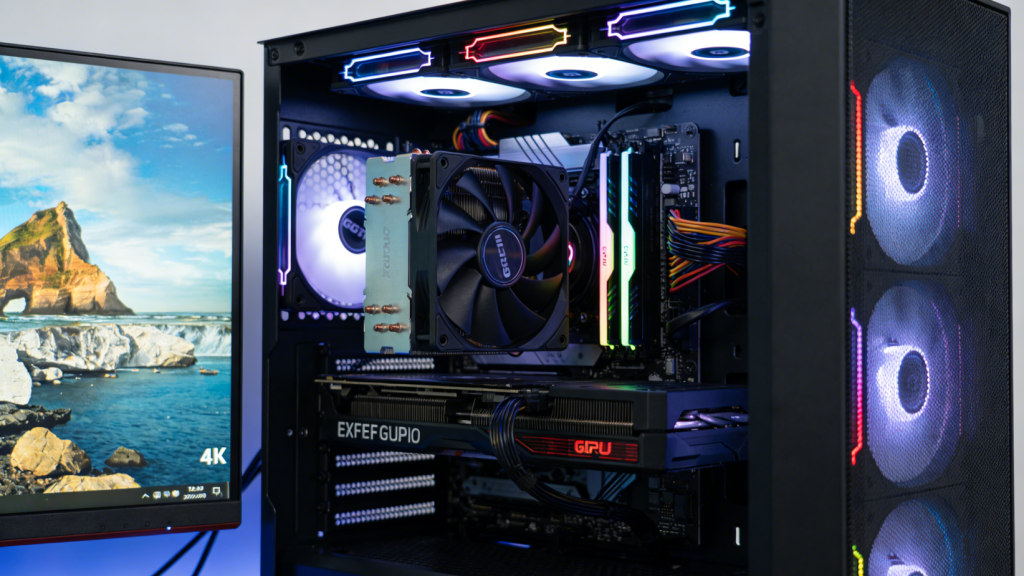



2026 4K Gaming Monitors GPU Balance And Best Settings 4 1 1 1024x576 . 2026 4K Gaming Monitors GPU Balance And Best Settings 4 3 1 1024x576 . The First Gaming Showcase Of 2026 Has Been Revealed And It S As Soon Large . Xbox Game Showcase 2026 Trailers Release Dates TAFT Independent 2026 Video Game Release Dates Post Feature Image . Best Gaming PC Builds For 2026 Best Gaming PC Builds For 2026.webp



2026 Upcoming Games And Game Release Dates Guide 2026 Upcoming Games Release Dates . 4K 2026 Games Wallpapers 40 21650 . Top Gaming Trends Of 2026 TREND . 4K 2026 Games Wallpapers 150 25547 . Xbox Game Pass Im Februar 2026 High On Life 2 Madden NFL 26 Und Mehr Xgp 2026 01.webp





TOP 50 BIGGEST NEW Games Coming In 2026 With Crazy NEXT GEN 4K Graphics . 4k Gaming PC Wallpapers Wallpaper Cave Wp12787600 . Best Graphics Cards For Gaming In 2026 Tech2Geek Img . 4K 2026 Wallpapers 80 22831 . 4K 2026 Wallpapers 80 22729
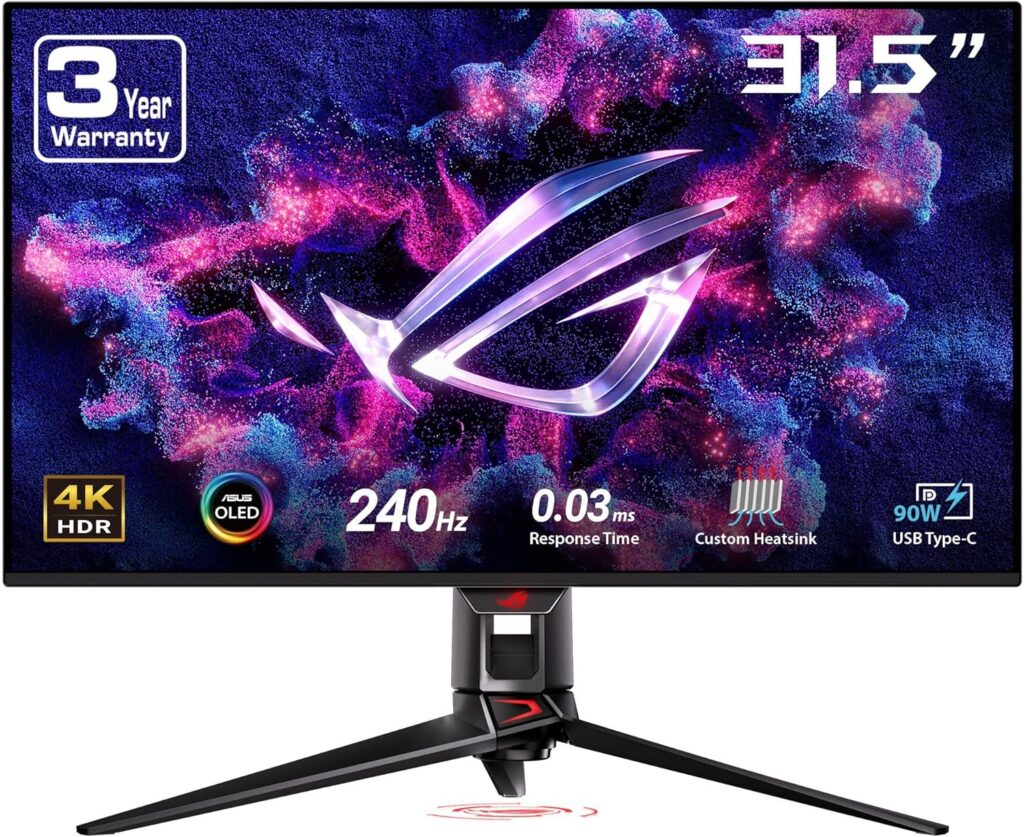



Best 4K Gaming Monitors 2026 Top 4K Displays For PC Gaming ASUS ROG Swift 32 4K OLED Gaming Monitor 1024x837 . TOP 40 BIGGEST NEW Games Coming In 2026 With Crazy NEXT GEN 4K Graphics . Gaming Desktop PC Guide 2026 Build The Ultimate Gaming Setup 2 2 3 . 3440x1440 Gta 6 2026 UltraWide Quad HD 1440P HD 4k Wallpapers Images Gta 6 2026 D7 . Enhancing 4K Gaming With DLSS 3 2026 Enhancing 4k Gaming With Dlss 3.webp