A gaming station is more than just a computer or console it is a dedicated space optimized for immersive interactive entertainment. This comprehensive guide navigates the evolving landscape of modern gaming setups from powerful PCs and next-gen consoles to ergonomic peripherals and ambient lighting solutions. Discover how these personalized hubs enhance performance comfort and social connectivity crucial for the 87 percent of US gamers spending over 10 hours weekly. We explore trends like mobile gaming integration cross-play setups and the rise of creator-influenced streaming spaces. Whether you are a casual player seeking relaxation or a competitive esports enthusiast understanding what makes a gaming station effective is key to unlocking your full potential and making the most of your digital escapes. This resource provides essential insights for Gen Z and Millennial gamers balancing life work and their passion for virtual worlds ensuring smart choices for budget-friendly options and seamless social gaming experiences. It is your go-to for building or upgrading a setup that truly delivers.
- What is the primary purpose of a dedicated gaming station? - The primary purpose is to create an optimized environment for immersive interactive entertainment. It goes beyond basic computing by integrating high-performance hardware, ergonomic comfort, and features designed to enhance gameplay, social interaction, and overall user experience for serious and casual gamers alike.
- How does a gaming station differ from a regular home office setup? - While both use similar components, a gaming station prioritizes performance for demanding graphics, faster refresh rates, and specialized peripherals like mechanical keyboards and high-DPI mice. It also often includes ergonomic chairs and aesthetic lighting focused on long-term comfort and immersion during intense gaming sessions, rather than just productivity.
- What are the main components typically found in a modern gaming station? - A modern gaming station usually includes a powerful gaming PC or a current-gen console, a high-refresh-rate monitor, a comfortable ergonomic chair, a responsive keyboard and mouse (or controller), and a quality headset. Many setups also incorporate LED lighting, dedicated desks, and sound systems for enhanced immersion.
- Is building a custom gaming PC for a station better than buying pre-built? - Building a custom PC often offers better value and allows for exact component selection, maximizing performance per dollar and customization. Pre-built systems provide convenience and warranty support, but might have slightly higher costs or pre-selected parts that aren't ideal. The "better" option depends on your technical comfort and time.
- How important is internet connectivity for a high-performance gaming station? - Extremely important. Stable, low-latency internet connectivity is crucial for online multiplayer, streaming, and cloud gaming. A fast, reliable connection minimizes lag, ensures smooth gameplay, and enables seamless communication with teammates, directly impacting the competitive and social aspects of your gaming station experience.
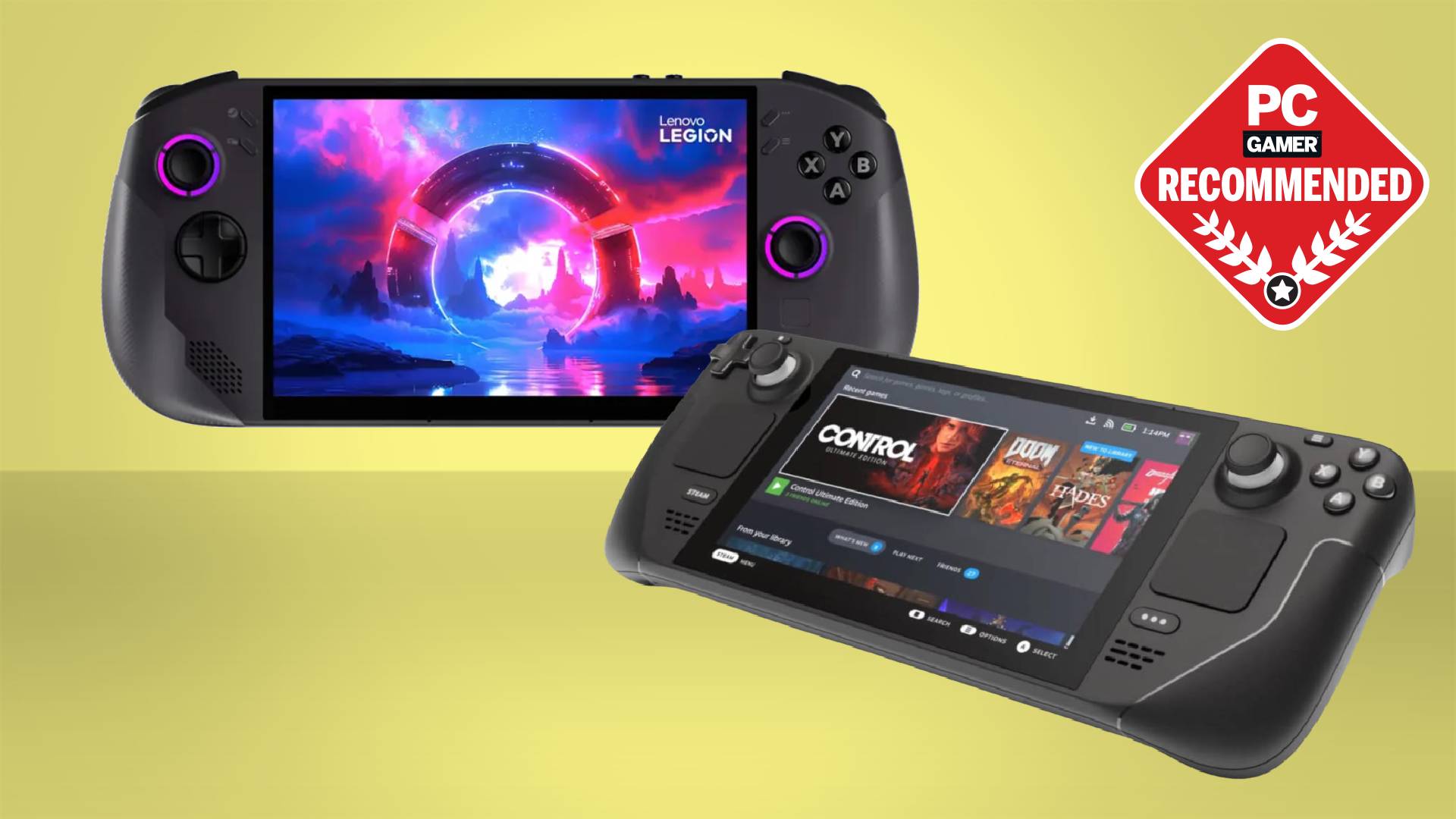
- Can a gaming station be portable or does it need a fixed location? - While most gaming stations are fixed setups for optimal performance and ergonomics, elements can be portable. High-end gaming laptops serve as powerful mobile stations. Smaller setups, like those focused on handhelds or cloud gaming, can also offer a degree of portability, allowing you to game in various locations.
- What role do ergonomics play in designing an effective gaming station? - Ergonomics are vital for preventing strain, improving comfort, and sustaining long gaming sessions. This includes an adjustable chair, proper monitor height, and keyboard/mouse placement. A well-designed ergonomic gaming station reduces the risk of injuries like carpal tunnel and back pain, enhancing overall enjoyment and longevity in gaming.
Tired of gaming on a cramped desk or a couch that doesn't quite cut it? Ever feel like your setup holds you back from truly immersing yourself or connecting with friends in your favorite virtual worlds? You are not alone. In 2026, with 87 percent of US gamers dedicating over 10 hours a week to their passion, the need for an optimized space is more critical than ever. The days of simply plugging in a console and playing are long gone. Today, we talk about gaming stations – your personal command center designed for peak performance, comfort, and ultimate immersion. Let's dive in and see what a proper gaming station can do for you.
What Exactly Are Gaming Stations and Why Do They Matter in 2026?
A gaming station is a dedicated, optimized environment for playing video games. It is a personalized hub that integrates high-performance hardware, ergonomic comfort, and often aesthetic elements to create an immersive and efficient gaming experience. Unlike a casual setup, a gaming station is meticulously planned to enhance everything from reaction times and visual clarity to sustained comfort during long sessions. In 2026, with the explosion of cross-play, cloud gaming, and VR experiments, these stations are crucial for keeping up with technological demands and enjoying the full spectrum of interactive entertainment.
Why Invest in a Dedicated Gaming Station Now?
For many US gamers, gaming is more than a hobby; it is a way to unwind, socialize, and even compete. Investing in a gaming station elevates this experience significantly. A dedicated setup minimizes distractions, optimizes performance to prevent frustrating lag or low frame rates, and provides the ergonomic support needed to avoid discomfort or injury during extended play. Think about it: an average US gamer spends over 10 hours a week gaming. A proper gaming station ensures those hours are spent enjoying, not enduring. It fosters a space for stress relief, skill building, and invaluable social connections through games like those popular this month in the cozy or competitive multiplayer genres.
Who Needs a Gaming Station? Is It Just for Pros?
Absolutely not. While professional esports players rely on meticulously crafted stations, a gaming station is beneficial for anyone who enjoys gaming regularly. This includes:
- Casual Gamers: For unwinding after work or school, a comfortable setup enhances relaxation.
- Social Gamers: Better audio, communication tools, and smooth performance improve co-op and online multiplayer experiences.
- Content Creators and Streamers: Powerful hardware and integrated peripherals are essential for broadcasting high-quality content.
- Competitive Players: Every millisecond counts, and an optimized station provides the edge needed to compete effectively.
- Busy Adults: Balancing life and work, a dedicated gaming station offers a clear boundary and a truly immersive escape.
How to Build Your Ideal Gaming Station The Essentials
Building your gaming station involves a few core categories. Here is what to consider:
Platform Choice: PC or Console?
- Gaming PC: Offers flexibility, superior graphics (often), modding capabilities, and a wider range of games. Essential components include a robust CPU (e.g., Intel Core i7/i9 or AMD Ryzen 7/9), a powerful GPU (e.g., NVIDIA RTX 40-series or AMD Radeon RX 7000-series), at least 16GB of RAM, and fast NVMe SSD storage.
- Gaming Console: (e.g., PlayStation 5, Xbox Series X/S) Provides simplicity, exclusive titles, and usually a lower upfront cost. Great for living room setups and hassle-free gaming.
Display: The Window to Your World
- High Refresh Rate Monitor: Look for 120Hz, 144Hz, or even 240Hz+ for smoother visuals and quicker response times.
- Resolution: 1440p (QHD) or 4K offers stunning clarity.
- Panel Type: IPS for vibrant colors, TN for fastest response, VA for deep blacks.
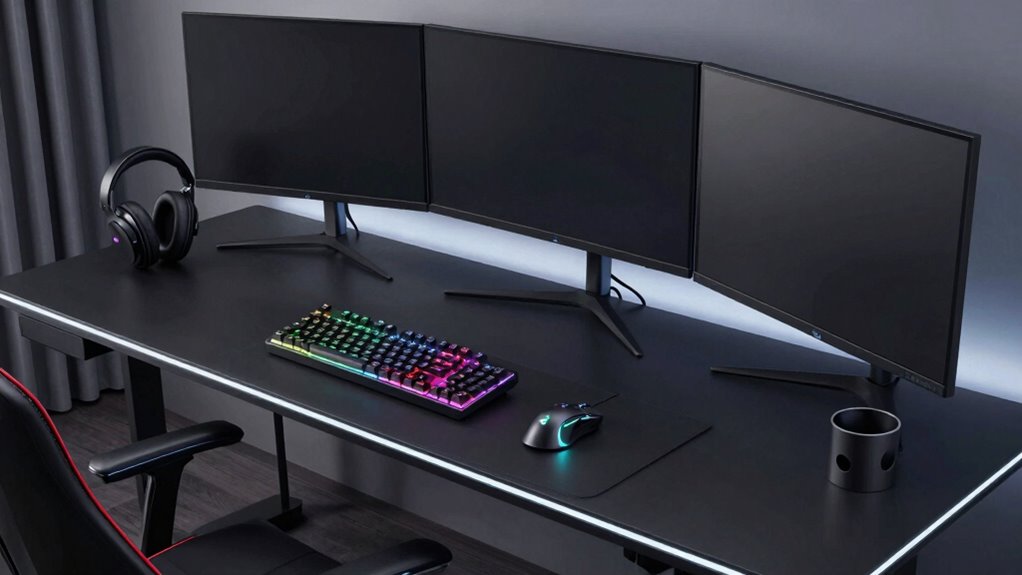
- Ultrawide/Dual Monitors: Enhance immersion and multitasking.
Peripherals: Your Connection to the Game
- Keyboard: Mechanical keyboards offer superior tactile feedback and durability.
- Mouse: High-DPI for precision, ergonomic design for comfort.
- Headset: Essential for clear communication and immersive audio. Look for comfort and good sound quality.
- Controller: If you prefer console-style play on PC, or for console gaming.
Ergonomics: Comfort is Key
- Gaming Chair: Invest in an ergonomic chair that supports your back, neck, and arms.
- Adjustable Desk: A standing desk allows you to switch positions, reducing fatigue.
- Monitor Arm: Frees up desk space and allows for optimal monitor positioning.
Aesthetics and Ambiance: Setting the Mood
- Lighting: RGB strips, smart lights, and bias lighting reduce eye strain and create atmosphere.
- Cable Management: Keep your setup clean and organized to reduce clutter.
- Decor: Posters, figures, and personal touches make the space truly yours.
Where Can You Set Up a Gaming Station?
A gaming station does not always need a dedicated room. It can be adapted to various spaces:
- Dedicated Gaming Room: The ideal scenario, allowing for full customization and soundproofing.
- Corner of a Bedroom/Office: Utilize a small corner with a compact desk and monitor setup.
- Multi-Purpose Space: A living room can house a console setup, or a home office can double as a PC gaming station with the right organization.
- Portable Laptop Setup: For gamers on the go, a high-performance gaming laptop with external monitor and peripherals can serve as a mobile gaming station.
Is Mobile Gaming Part of a Gaming Station?
Absolutely. With mobile gaming dominating segments of the US market, a modern gaming station often integrates mobile experiences. This can involve:
- Screen Mirroring: Playing mobile games on a larger monitor.
- External Controllers: Using console or PC controllers with your phone.
- Cloud Gaming Integration: Accessing high-fidelity games on your mobile device through services like Xbox Cloud Gaming or NVIDIA GeForce NOW, often streamed to your main station.
- Cross-Play: Many popular titles now support cross-play, blurring the lines between mobile, console, and PC, making your gaming station a central hub for all platforms.
When Should You Upgrade Your Gaming Station?
Upgrading is a natural part of the gaming cycle. Consider upgrading when:
- Performance Drops: New games no longer run smoothly at your desired settings.
- New Technology Emerges: Major advancements in GPUs, CPUs, or display technology offer significant improvements (e.g., AI upscaling, haptic feedback).
- Your Needs Change: You start streaming, enter competitive play, or simply desire a more comfortable experience.
- Budget Allows: Look for sales and new product launches to get the best value.
How to Maximize Your Gaming Station Without Breaking the Bank
Building an ultimate gaming station doesn't always require a fortune. Here are some smart strategies:
- Prioritize Components: Invest most in your GPU, then CPU, RAM, and SSD.
- Buy During Sales: Black Friday, Prime Day, and seasonal sales offer great discounts.
- Consider Used or Refurbished: Reputable sellers offer quality components at lower prices.
- DIY: Building your own PC can save money compared to pre-built systems.
- Free-to-Play Games: Explore the vast library of high-quality free-to-play titles (e.g., Fortnite, Valorant, Apex Legends) to save on game purchases.
- Ergonomics First: A good chair and proper desk setup can be more impactful than the latest RGB.
What Are the Latest Trends in Gaming Stations This Month?
The gaming world is always evolving. This month, we're seeing:
- AI Upscaling & Frame Generation: Technologies like DLSS and FSR are becoming standard, extending the life of GPUs and enabling smoother gameplay at higher resolutions.
- Advanced Haptic Feedback: Controllers and peripherals are offering more nuanced tactile experiences.
- VR Integration: More accessible VR headsets mean dedicated spaces often account for VR play areas.
- Social Gaming Focus: Integrated streaming tools and robust voice chat capabilities are paramount for the booming social and cozy gaming scene.
- Sustainability: Gamers are increasingly considering power efficiency and eco-friendly components.
How to Ensure Your Gaming Station is Future-Proof?
While true future-proofing is impossible, you can make smart choices:
- Modular PC Build: Choose a motherboard and power supply that can handle future component upgrades.
- Modern Connectivity: Ensure your monitor and PC have the latest ports (HDMI 2.1, DisplayPort 1.4, USB4/Thunderbolt).
- Robust Internet: Invest in a fast, reliable router and consider wired Ethernet for stability.
- Adaptive Furniture: A high-quality, adjustable desk and chair will serve you across multiple upgrades.
The Social Side: How Gaming Stations Foster Connection
Gaming is inherently social, and a great gaming station amplifies this. High-quality microphones and headsets are crucial for crystal-clear communication on Discord or in-game chat. Features like dual monitors allow you to game with friends on one screen while having voice chat or streaming tools open on another. Whether you are collaborating in a co-op adventure, competing in esports, or simply watching your favorite streamer, your station is the gateway to shared experiences and building friendships online – a vital aspect for many Gen Z and Millennial gamers.
Staying Healthy: Ergonomics and Wellness at Your Gaming Station
Long gaming sessions can take a toll. Prioritizing wellness is key:
- Proper Posture: Adjust your chair and monitor to maintain a neutral spine.
- Regular Breaks: Stand up, stretch, and walk around every hour.
- Eye Care: Use the 20-20-20 rule (every 20 minutes, look at something 20 feet away for 20 seconds).
- Hydration and Snacks: Keep water and healthy snacks within reach.
- Good Lighting: Reduce eye strain with balanced room lighting and bias lighting behind your monitor.
Comprehensive Gaming Station FAQ
What is the difference between a gaming PC and a regular PC?
A gaming PC is specifically built with powerful components like a dedicated graphics card (GPU), a high-end processor (CPU), and ample RAM and fast storage to handle demanding video games at high resolutions and frame rates. A regular PC focuses more on general productivity tasks like browsing, word processing, and light media consumption, and typically has less powerful hardware.
How much does an average gaming station cost?
The cost of an average gaming station can vary widely, from $800 to over $3000, depending on whether you opt for a console or a PC, the quality of components, and peripherals. A budget-friendly PC setup might start around $800-1200, while a high-end, custom PC with all the bells and whistles can easily exceed $2500, not including furniture.
Are gaming chairs really worth it?
Yes, a good ergonomic gaming chair is often worth the investment, especially if you spend many hours gaming. They are designed to provide better lumbar, neck, and arm support than standard office chairs, which can prevent back pain and discomfort, improving your focus and overall health during long sessions.
Can I use a laptop as my primary gaming station?
Yes, many high-performance gaming laptops today can serve as excellent primary gaming stations. When paired with an external monitor, keyboard, mouse, and headset, they offer a powerful, yet portable, setup. The main considerations are their cooling capabilities and upgrade limitations compared to a desktop PC.
What are some essential accessories for a new gaming station?
Essential accessories include a quality gaming headset with a microphone for communication, a reliable surge protector to protect your electronics, a good mouse pad for smooth mouse movement, and cable management solutions to keep your space tidy and organized. These small additions significantly enhance comfort and functionality.
How do I keep my gaming station clean and organized?
Regular cleaning is key. Dust your components, screen, and peripherals weekly. Use compressed air to clean out fan vents. Implement cable management tools like ties, sleeves, or trays to keep wires neat. Having dedicated spots for controllers, headsets, and other accessories helps maintain order and a sleek look.
What's the best lighting for a gaming room?
The best lighting for a gaming room often involves a combination of ambient light, task lighting, and bias lighting. Avoid direct glares on your screen. RGB LED strips behind your monitor (bias lighting) reduce eye strain and add ambiance. Soft, indirect room lighting is generally preferred over bright overhead lights for immersion.
Should I build my own gaming PC or buy a pre-built one?
Building your own gaming PC typically offers better value, more customization, and a deeper understanding of your system. However, it requires time and some technical know-how. Pre-built PCs offer convenience, a full warranty, and often come with professional assembly, making them suitable for those who prefer a ready-to-play solution.
What are the benefits of multiple monitors for gaming?
Multiple monitors provide several benefits: enhanced immersion in some games (especially ultrawide setups), easier multitasking for streamers (game on one, chat/stream controls on another), and increased productivity for work or browsing. They expand your digital workspace, making it easier to manage multiple applications simultaneously.
How important is internet speed for a gaming station?
Internet speed is critical for online gaming. Low latency (ping) is often more important than raw download speed for competitive multiplayer. While fast download speeds are good for game downloads and streaming, a stable, low-ping connection ensures smooth, lag-free gameplay, directly impacting your competitive edge and enjoyment.
Can a gaming station be used for work?
Absolutely. Modern gaming PCs are powerful enough for virtually any professional task, from video editing and graphic design to programming and intensive data analysis. With ergonomic furniture and multiple monitors, a gaming station can seamlessly double as a highly efficient and comfortable home office setup, offering versatility.
What are some good budget-friendly gaming station upgrades?
Budget-friendly upgrades include adding an SSD for faster load times, upgrading your RAM for improved multitasking, getting a high-refresh-rate monitor, or investing in a comfortable, ergonomic chair. Even smaller upgrades like a better gaming mouse or headset can significantly improve your overall gaming station experience without a massive investment.
Ready to level up your gaming experience? Share your ultimate gaming station ideas or questions in the comments below! What's the one upgrade you can't live without?
--
SEO Suggestions for Publisher:
Meta Title: What Are Gaming Stations Ultimate Guide for 2026 Setups
Meta Description: Discover what are gaming stations and why they matter for US gamers in 2026. This guide covers PC vs console, ergonomics, budget tips, and trending setups for immersive play.
Image Alt Text Recommendations:
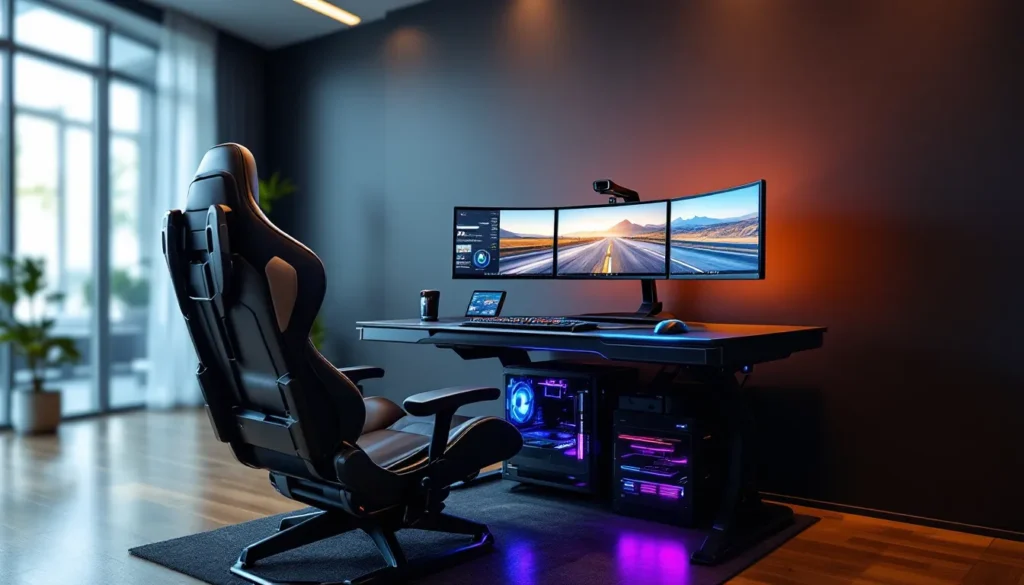
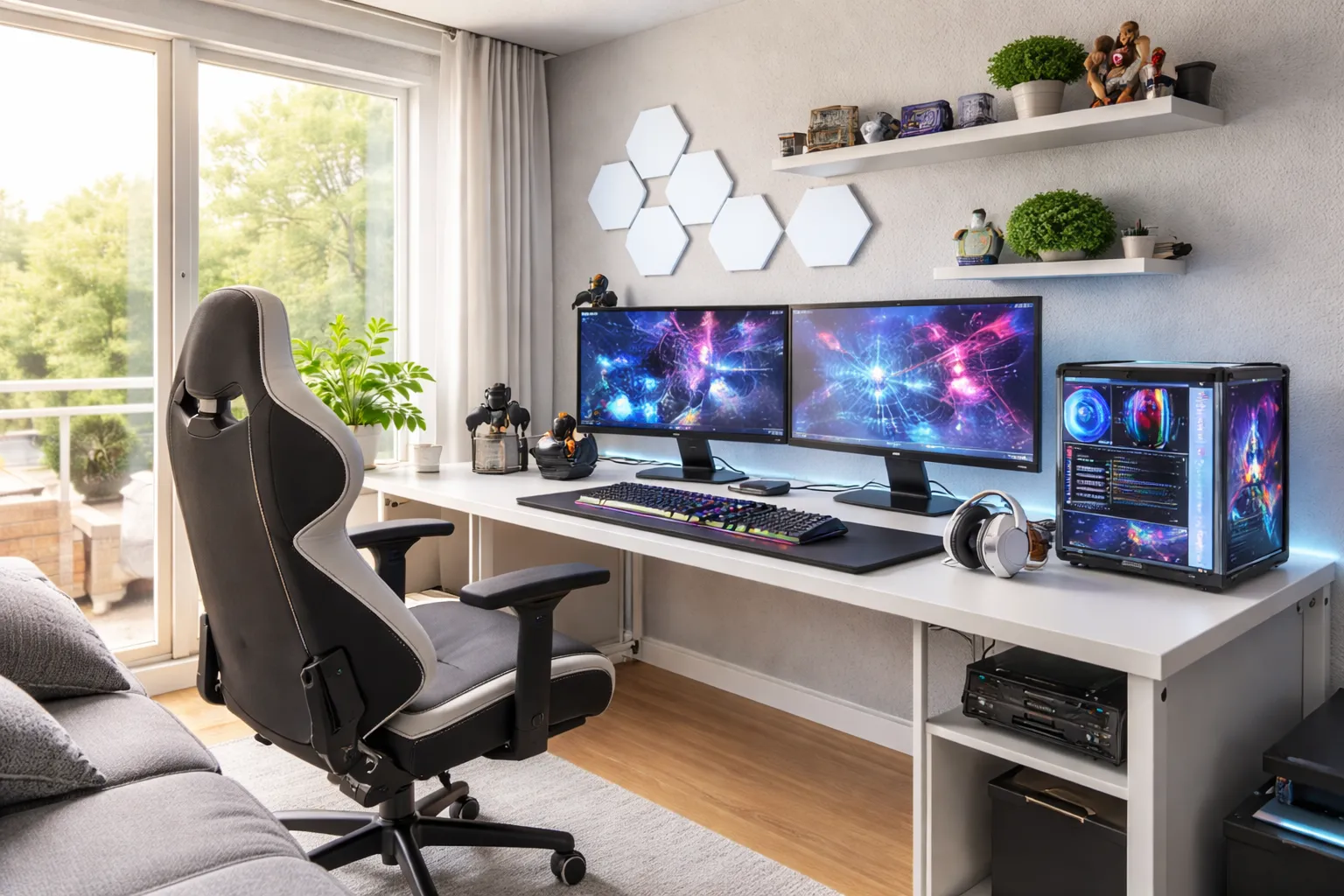
- Image of a clean, well-lit PC gaming station with multiple monitors:
Dedicated optimized space for gaming performance comfort and immersion. Includes PCs consoles peripherals ergonomics and lighting. Enhances social connection and competitive edge. Adapts to mobile and cross-play trends. Essential for modern gamers balancing life and play.
35#1 Gallery what are gaming stations


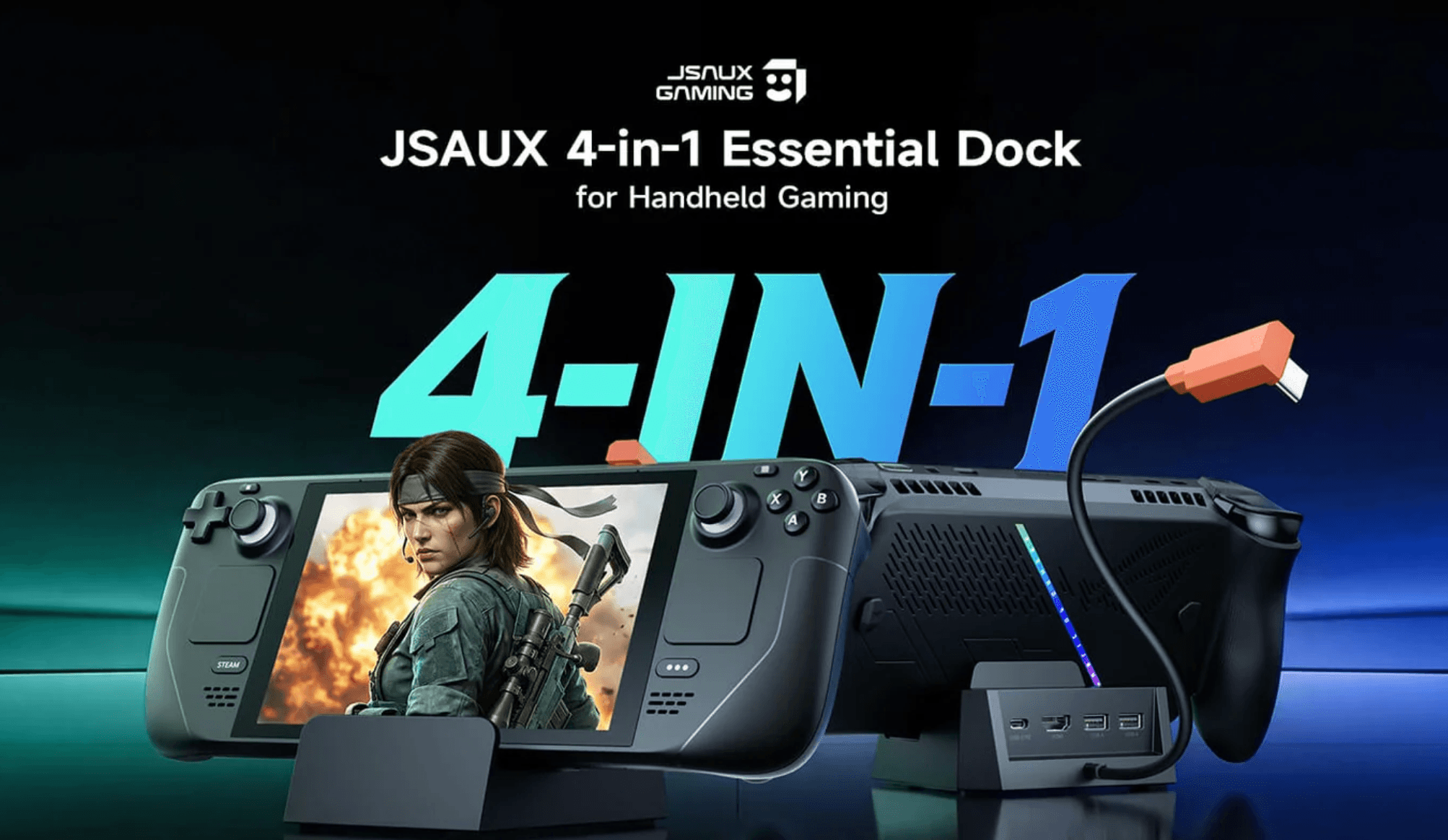

My Ultimate Gaming Setup Room Tour 2026 YouTube . This Is My 2026 Gaming Setup YouTube . Forza Horizon 6 Soundtrack All Radio Stations And Songs Forza Horizon 6 Soundtrack Radio Stations Track List 300x201 . JSAUX USB C 4 1 2026 GAMES GG JSAUX GAMING USB C 4 In 1 Docking Station Review 2026 84af9bfb79 . 8 Best Thunderbolt 5 Docking Stations 2026 Expert Reviews Best Thunderbolt 5 Docking Stations 1024x559
#2 Gallery what are gaming stations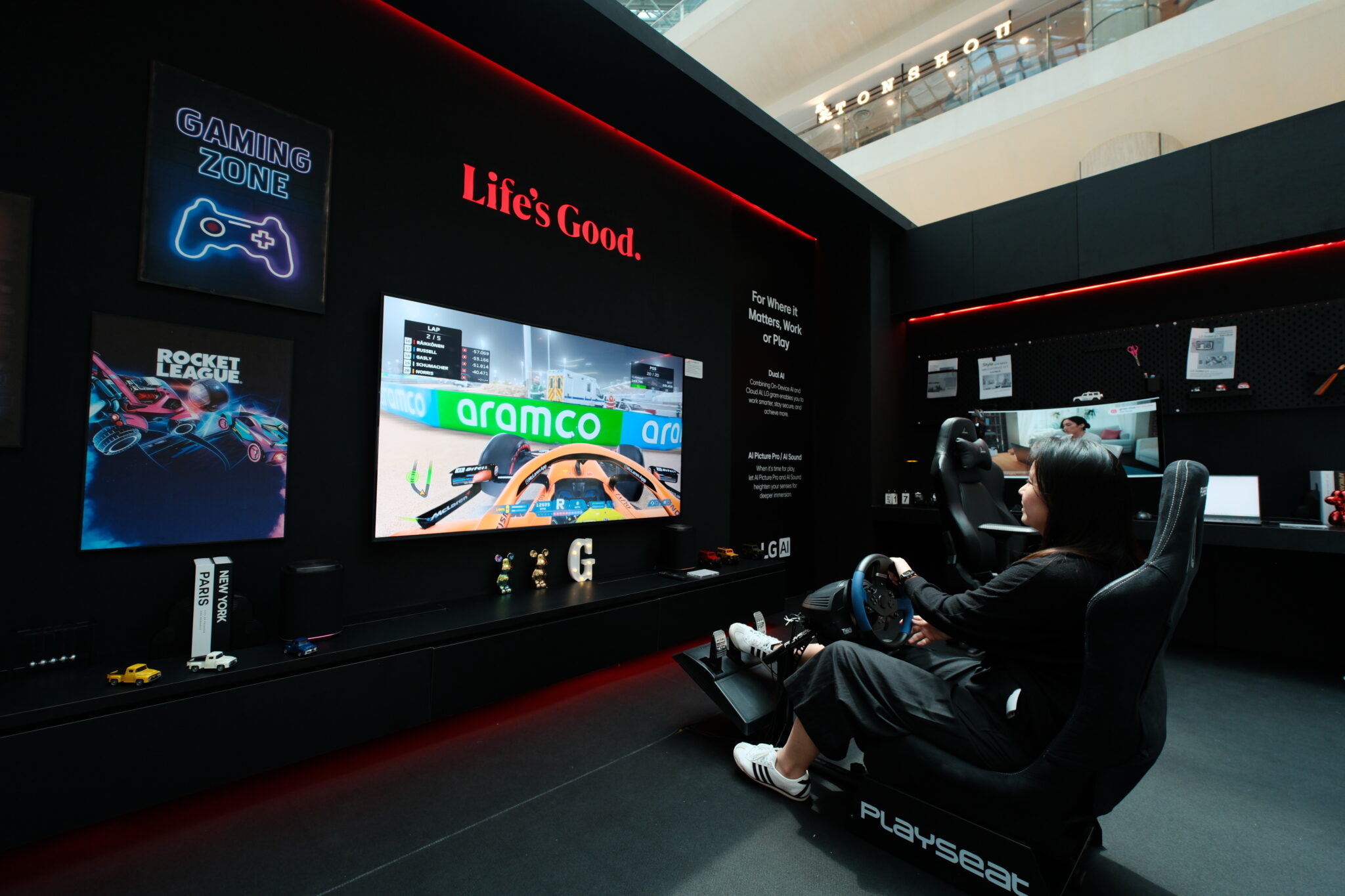
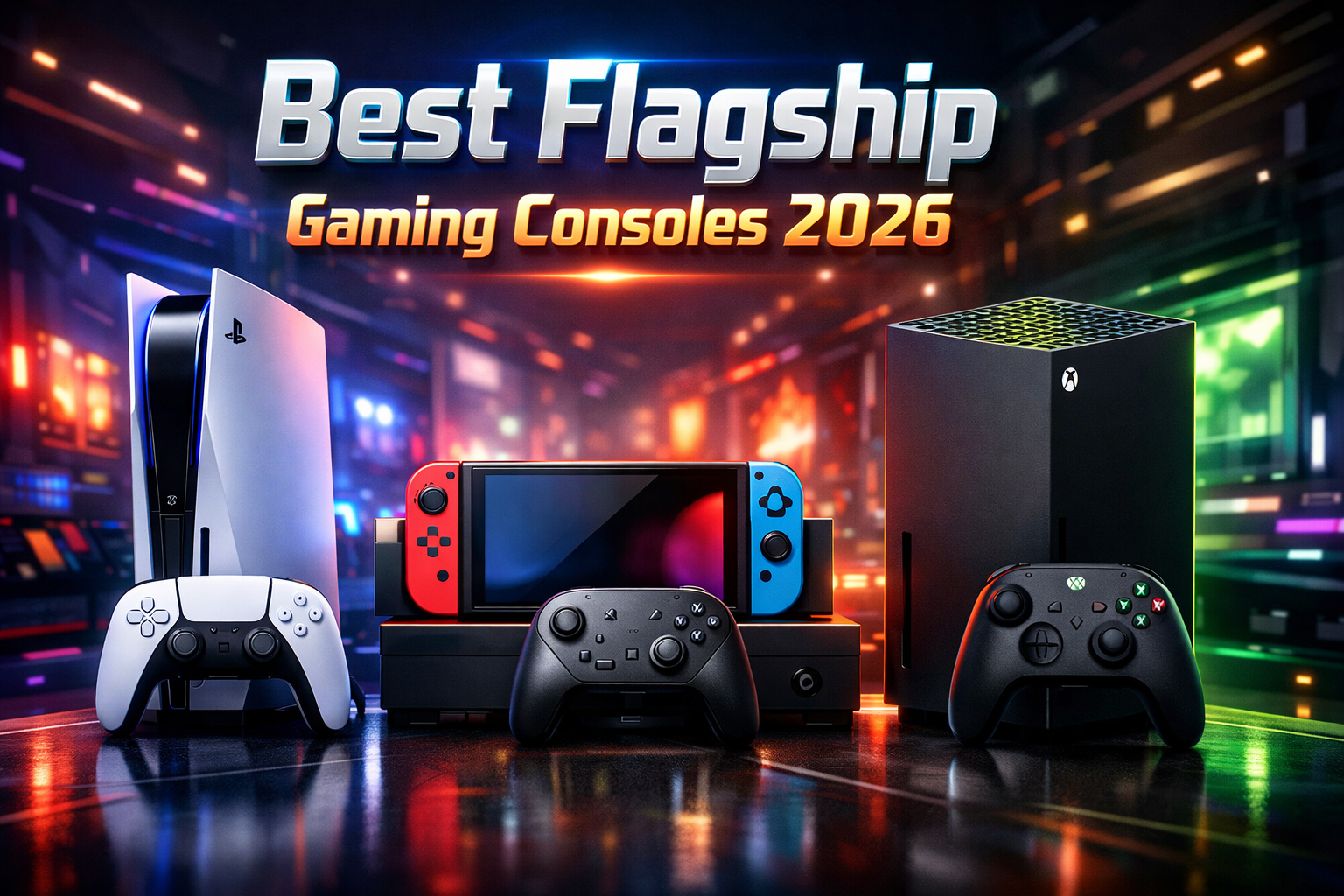

LG Unveils Beyond Boundaries 2026 Lineup With Immersive Showcase At LG Gaming Room 2048x1365 . Best Flagship Gaming Consoles 2026 Ultimate Next Gen Picks Tajjir Baba ChatGPT Image Jan 26 2026 05 45 40 AM . Top 8 Gaming Consoles For Every Budget 2026 Technobezz 2026 02 05 At 12 44 58 AM 308a5bab2d . Best Gaming Stations DIVE Into The BATTLE ARENA NOW 2026 CoinCodeCap Png10 . Scorpion Gaming Setup The Ultimate Guide To Building Your Dream Battle Airtable 1
#3 Gallery what are gaming stations



The Best Norse Mythology Games In 2026 Org Norse Mythology Games 1 . School Carnival Singapore 2026 Top Games Activities Food Stations Carnival Games 2073be66 . Buy Cheap Gas Station Manager 2026 PS4 Key Lowest Price GG Deals 1232xr706 Q100 . Gas Station Manager 2026 Price PS4 Price History PSprices . Gamer LEVEL UP YOUR FUTURE IN 2026 WITH GAMERZONE Start The New Media
#4 Gallery what are gaming stations



Best Budget Gaming Setup 2026 Affordable Gaming Station Guide Gamer With Budget Setup Ced46db4 9d4c 45bb 8b4b . Q1 2026 Game Brand OOH Trends In The Korea Market OHBROWN Yongsan Station Game Outdoor Ad . 2026 GAMING SETUP TOUR YouTube . Gaming In 2026 Waarom En AI De Nieuwe Standaard Zijn Top Gaming Set 2026 @webp. 8 Best Soldering Stations For Beginners August 2026 Guide Best Soldering Stations For Beginners 1024x559
#5 Gallery what are gaming stations


Xbox In 2026 A Deep Dive Into Team Green S Innovations And Vision For Xbox In 2026 A Deep Dive Into Team Greens Innovations And Vision For The Future 768x439 . Best Console To Buy In 2026 By Player Type Best Console To Buy In 2026 Cover . Q1 2026 Game Brand OOH Trends In The Korea Market OHBROWN Seongsu Dong Game Outdoor Ad . Q1 2026 Game Brand OOH Trends In The Korea Market OHBROWN Bg Dooh . 6 Best Gaming Consoles Of 2026 YouTube
#6 Gallery what are gaming stations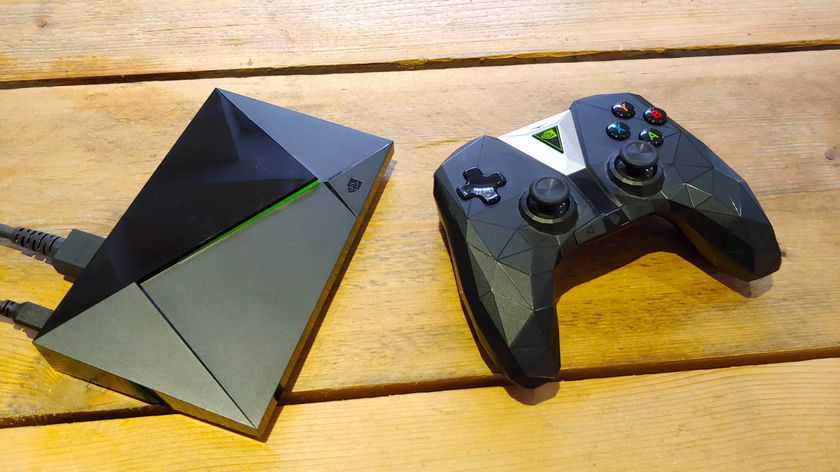


The 8 Best Gaming Consoles To Buy In 2026 TechRadar 840 80 . 15 Best Gaming Desks Of 2026 That Will Elevate Your Setup StrongMocha Top Gaming Desks 2026 A5vv3 . PlayStation Plus January 2026 Games Full Lineup And Details G2A News. Game Station All You SHOULD Know Before Going 2026 With Reviews Game Station . Q1 2026 Game Brand OOH Trends In The Korea Market OHBROWN Hongik Univ Station Game Ad
#7 Gallery what are gaming stations

From Wearables To Power Stations 10 Best Gadgets From May 2026 10 Must Know Tech From May 2026 768x576 . Best Mid Range TVs In 2026 For Sharp Pictures And Serious Value Stuff Best Handhelds 2025 Lead . Console Gaming Trends To Watch Beyond 2025 2026 2027 Image. CES 2026 From New Intel Chips To Far Too Much AI Here S Everything We . Die Perfekte LAN Party Planen Checkliste F R 2026 Gaming Loft Image