Discover the pivotal 2004 Roblox logo, a foundational piece of internet gaming history that predates the platform's official launch. This early emblem, often a source of nostalgia for veteran players and a curiosity for newer enthusiasts, represents the initial vision of what would become a global metaverse. Understanding the 2004 Roblox logo provides valuable insight into the developmental journey of one of the most popular user-generated content platforms. Explore its design, significance, and how it laid the groundwork for Roblox's distinct identity. This informational deep dive covers its role in shaping early community perceptions, its connection to the platform's original concept, and its enduring impact on branding evolution within the gaming industry. For gamers balancing life and play, delving into such historical elements offers a refreshing connection to gaming's roots and the continuous innovation that defines it. This historical artifact continues to trend in discussions among enthusiasts keen on tracing Roblox's origins.
What was the very first Roblox logo in 2004?
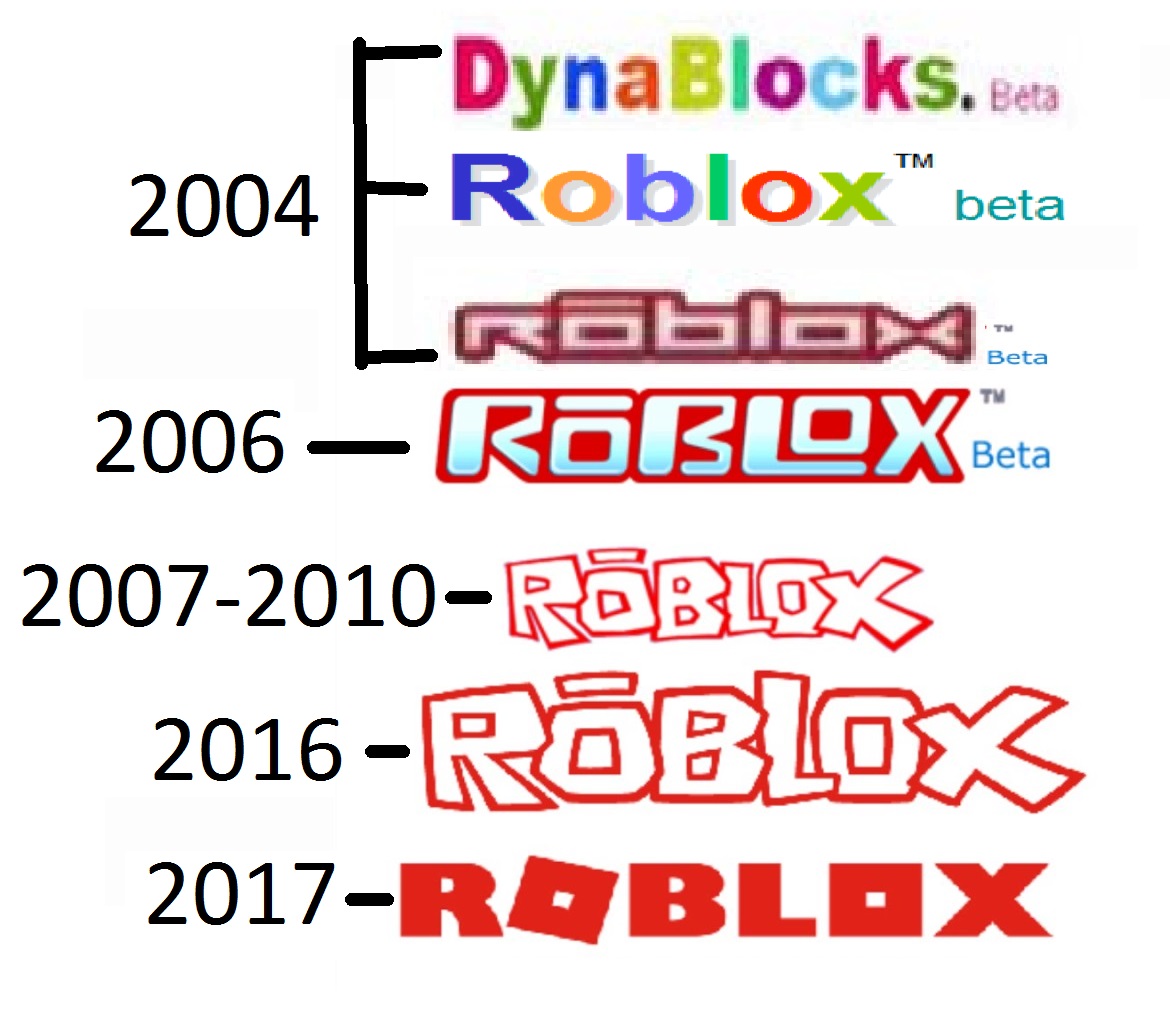
The very first logo associated with Roblox, back in its 2004 developmental phase when it was known as DynaBlocks, was a simple, blocky, and often metallic-looking wordmark. It typically featured the name 'DynaBlocks' in a robust, sans-serif font, emphasizing the concept of dynamic, buildable environments. This early 2004 Roblox logo was a foundational visual identity, predating the playful aesthetic of later Roblox branding.
Why did Roblox change its logo so many times after 2004?
Roblox changed its logo multiple times after 2004 to reflect its evolution from an early concept (DynaBlocks) to a massive global platform. Each change aimed to modernize the brand, appeal to a broader and younger audience, and better represent its expanding features beyond just building blocks. These updates helped Roblox stay current and approachable in a rapidly changing digital landscape, leaving the 2004 Roblox logo as a nostalgic relic.
Who were the key figures behind Roblox in 2004?
The key figures behind Roblox in 2004 were co-founders David Baszucki and Erik Cassel. They were instrumental in conceptualizing and developing the platform, then known as DynaBlocks. Their vision laid the groundwork for what would become Roblox, guiding its initial design and functionality, including the very first 2004 Roblox logo. Their engineering and entrepreneurial spirit defined its earliest days.
How does the 2004 Roblox logo connect to current Roblox features?
The 2004 Roblox logo, representing DynaBlocks, directly connects to current Roblox features through its core emphasis on 'blocks' and user creation. This foundational concept evolved into the robust Roblox Studio and the vast array of user-generated games available today. The early focus on dynamic building, as symbolized by the 2004 Roblox logo, remains at the heart of the platform's creative freedom and community-driven content, showcasing a consistent vision.
Can I still find games or experiences on Roblox inspired by the 2004 era?
Yes, many veteran Roblox players and developers create experiences directly inspired by the platform's early days, sometimes even featuring homages to the 2004 Roblox logo era. These 'old Roblox' or 'classic Roblox' experiences aim to replicate the aesthetics, gameplay, and community feel of the mid-2000s. Searching for terms like 'old Roblox nostalgia' or 'classic Roblox recreation' within the platform often yields these beloved throwbacks, offering a glimpse into the past.
What was the significance of the blocky design in the 2004 Roblox logo?
The blocky design of the 2004 Roblox logo (DynaBlocks) was highly significant as it directly communicated the platform's core functionality: building and dynamic construction using virtual blocks. It was a literal representation of the game creation tool. This design choice visually grounded the platform in its promise of user-generated 3D worlds, setting an expectation for interaction and creativity that continues to define Roblox's appeal, evolving from this foundational visual.
How did the 2004 Roblox logo hint at the platform's future success?
The 2004 Roblox logo, though simple, hinted at future success by clearly articulating a novel concept: user-driven creation within a dynamic 3D environment. This focus on empowerment and modularity, central to the 'DynaBlocks' identity, tapped into a growing desire for interactive, customizable digital spaces. It symbolized a robust, adaptable system, laying the groundwork for a platform that could continuously evolve through its community, foreshadowing its massive scaling potential.
As busy adults who juggle jobs, families, and life, finding time for gaming often feels like a mini-quest in itself. We crave relaxation, fun, and perhaps a touch of nostalgia that transports us back to simpler gaming days, without getting lost in overwhelming new releases. It's easy to overlook the origins of the games we love, but sometimes, a peek into the past offers unexpected insights and a deeper appreciation for where we are today. For millions, Roblox has become a staple for social play and creativity. But do you ever wonder about its very beginnings, perhaps even the iconic 2004 Roblox logo that started it all? This article is for you, the gamer who values history and understanding the roots of your digital playgrounds. We're diving deep into the 2004 Roblox logo, uncovering its secrets, and exploring how this early visual identity shaped the global phenomenon we know today. Get ready to connect with the foundational spirit of Roblox, understand its evolution, and gain a fresh perspective on this endlessly creative platform, all without the usual hype, just solid information you can use to enrich your gaming experience.
Understanding the 2004 Roblox logo isn't just about a historical image; it's about understanding the roots of a platform that now sees over 87 percent of US gamers regularly engaging, often for 10+ hours a week. For many, Roblox offers a crucial outlet for stress relief and social connection, especially as mobile gaming continues its dominance and cross-play becomes the norm. Let's peel back the layers and uncover the story behind the original logo.
What did the 2004 Roblox logo actually look like
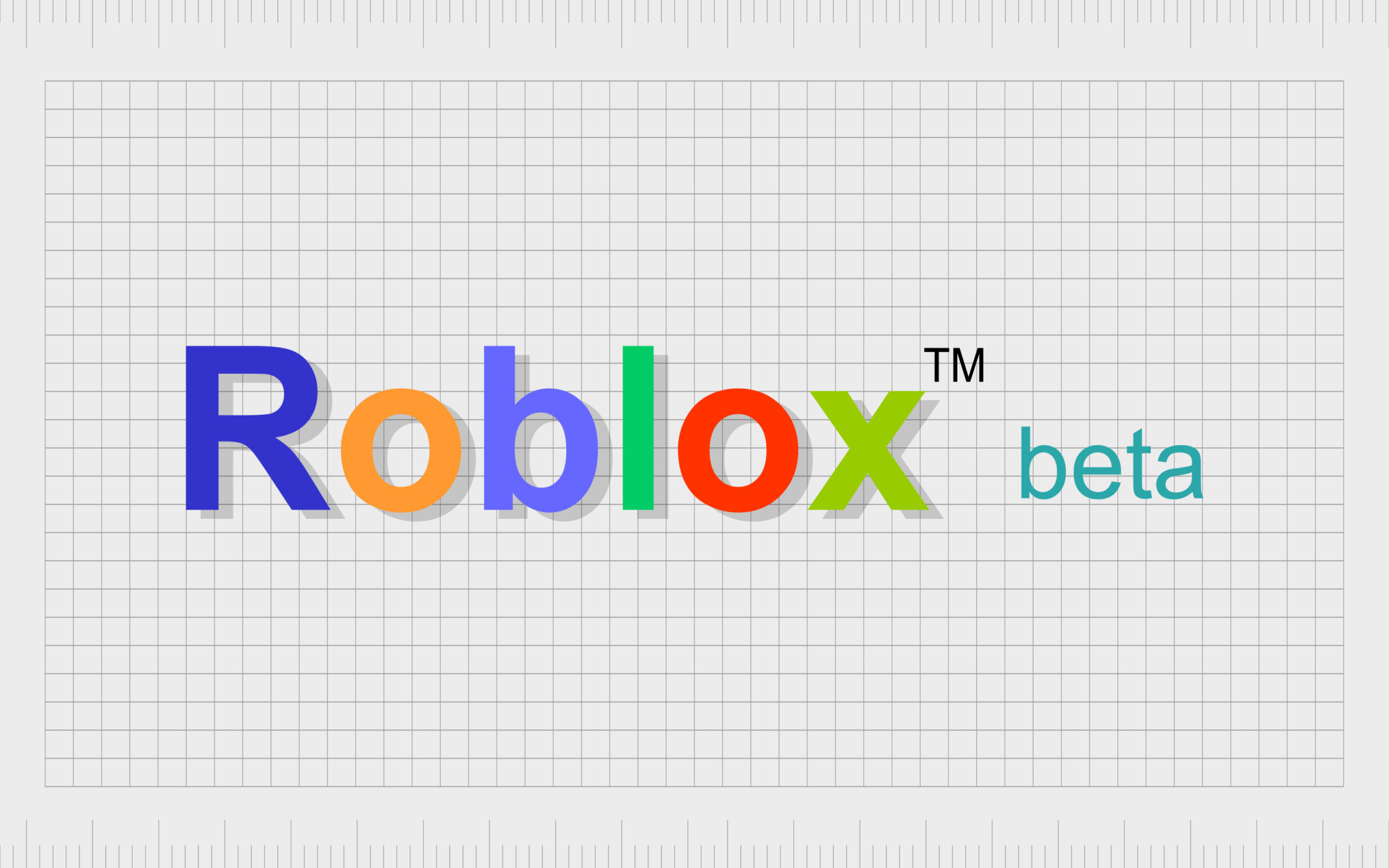
The 2004 Roblox logo was a simple yet impactful design, reflecting the nascent stage of the platform. Before it was officially known as Roblox, the project was called 'DynaBlocks.' The very first logo associated with this early iteration often featured a distinct, blocky, somewhat industrial aesthetic. It typically displayed the word 'DynaBlocks' in a stylized, bold, sans-serif font. Early concepts included a metallic or silver-grey color scheme, emphasizing a constructive, building-block nature. This initial visual identity was straightforward, aiming to convey the core idea of dynamic, buildable environments. It lacked the playful, cartoonish elements that would characterize later Roblox branding, instead focusing on a more serious, engineering-oriented feel. This stark contrast highlights the significant evolution in Roblox's brand perception over the years, moving from a developer-centric tool to a user-friendly metaverse.
Why was the 2004 Roblox logo important for Roblox's foundation
The 2004 Roblox logo, though simple, was crucial because it represented the foundational concept of what would become a revolutionary platform. It was the visual anchor for David Baszucki's vision of a user-generated 3D world. This initial branding helped conceptualize and communicate the core idea of 'DynaBlocks' to early investors and potential developers. It wasn't just a pretty picture; it was a promise of a new kind of interactive experience, where users could design and play in their own virtual spaces. For us gamers who remember the early days of online interaction, this logo symbolized a new frontier in digital creativity. It set the stage for a platform that would empower millions, laying the groundwork for community engagement and the eventual massive expansion of user-created content that defines Roblox today. It embodied the very first steps of building a digital world.
Who designed the original Roblox logo and why
While specific credit for the very first 2004 Roblox logo isn't widely publicized, it was undoubtedly conceived internally by David Baszucki and Erik Cassel, the co-founders of what was then called DynaBlocks. Their motivation was to create a visual identity that clearly communicated the platform's core functionality: dynamic construction. The logo needed to reflect the idea of building blocks and interactive systems. At this early stage, the focus was less on elaborate graphic design and more on conveying functional purpose. For innovators like Baszucki and Cassel, a clear, direct logo was paramount to secure initial understanding and investment, attracting those who shared their vision for a user-driven virtual world. It was a utilitarian design, born out of necessity to brand a groundbreaking idea.
How did the 2004 Roblox logo reflect early gaming trends
The 2004 Roblox logo, with its utilitarian, blocky aesthetic, subtly mirrored a broader trend in early 2000s gaming where creation and modification were gaining traction. Think of games like Minecraft, which would explode later but whose ethos of player-driven building was simmering. Many early online games prioritized functionality over flashy graphics, focusing on emergent gameplay and community-driven content. The 2004 logo represented a platform that was fundamentally a tool for creation, rather than just a consumption experience. This resonated with a niche of gamers who enjoyed tinkering, modding, and building their own experiences, a spirit that continues in today's thriving indie game scene. It spoke to the burgeoning desire for players to be more than just consumers, but active participants in game development and world-building.
Is the 2004 Roblox logo still relevant to players today
Absolutely, the 2004 Roblox logo holds significant relevance, particularly for veteran players and those interested in gaming history. For many adult gamers who started playing Roblox in its early years, seeing the old logo evokes a powerful sense of nostalgia. It's a reminder of a simpler time in gaming and a testament to how far the platform has come. This feeling of connection to the past is a common thread among the ~60 percent of gamers who balance gaming with life; it's a way to appreciate the journey and evolution of their favorite pastime. Moreover, the logo serves as an educational artifact, illustrating the origins of a platform that continues to innovate with trends like VR experiments and social gaming. It sparks discussions, celebrates longevity, and reminds the community of the strong foundations upon which today's metaverse stands.
What lessons can the 2004 Roblox logo offer current developers
The 2004 Roblox logo offers a critical lesson in branding evolution and core identity for current developers. It teaches that a brand's initial visual representation doesn't need to be perfect or final; it needs to be functional and reflective of its core mission. Roblox's journey from a technical, block-oriented logo to its current vibrant, friendly branding shows adaptability. For developers, this means focusing on the essence of your product first, then allowing your brand's visual identity to mature and adapt as your platform and audience grow. It highlights the importance of iterating not just on software, but on branding, recognizing that what works for an early-stage concept might not fit a global, diverse community. The original logo was a statement of intent, a powerful reminder that strong foundations, not just flashy designs, lead to lasting success.
Where can you find images or recreations of the 2004 Roblox logo
Finding authentic, high-quality images of the exact 2004 Roblox logo can be a bit of a treasure hunt, as it predates widespread digital archiving and the platform's public launch. However, dedicated fan wikis, historical gaming forums, and early archive websites are excellent places to start. Enthusiasts and veteran players often share screenshots or recreated versions on platforms like Reddit's r/roblox subreddit or specialized Roblox history communities on Discord. Academic papers or articles discussing the early internet and user-generated content platforms might also feature rare glimpses. Be aware that many images might be fan-made renditions based on descriptions, but they generally capture the essence of the original 'DynaBlocks' style. Searching for 'DynaBlocks logo' or 'early Roblox logo concepts' can yield more specific results from historical fan groups.
When did Roblox change its logo after 2004 and why
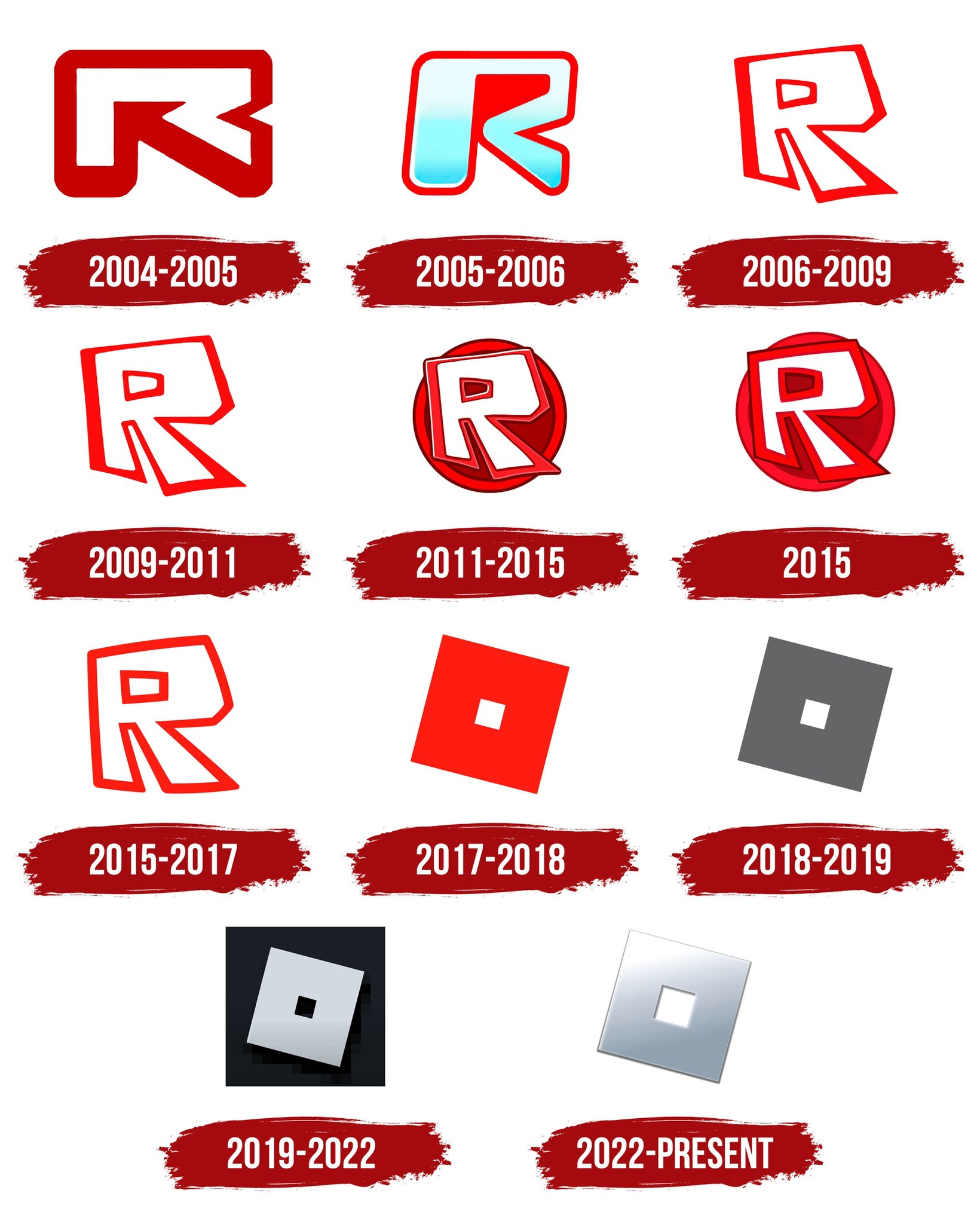
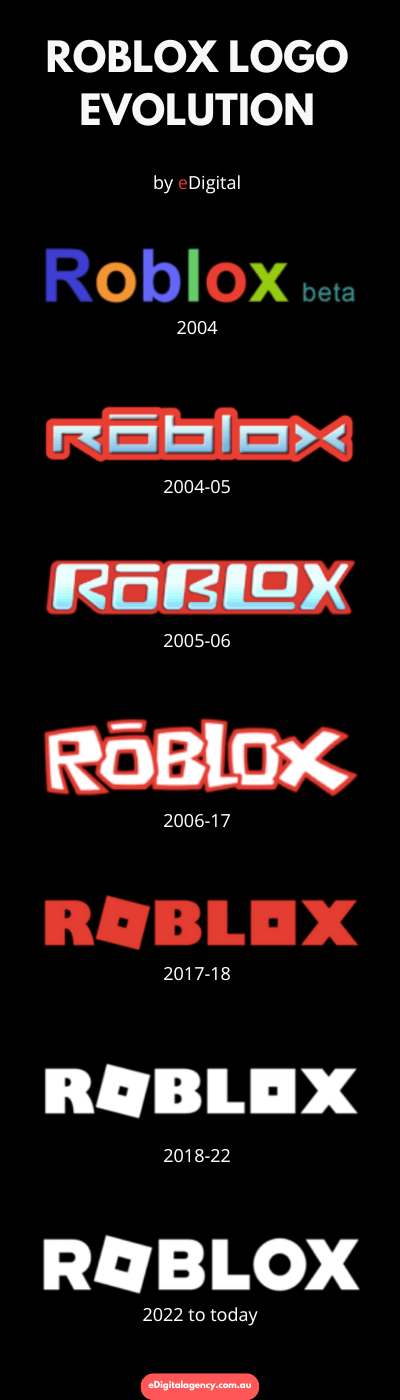
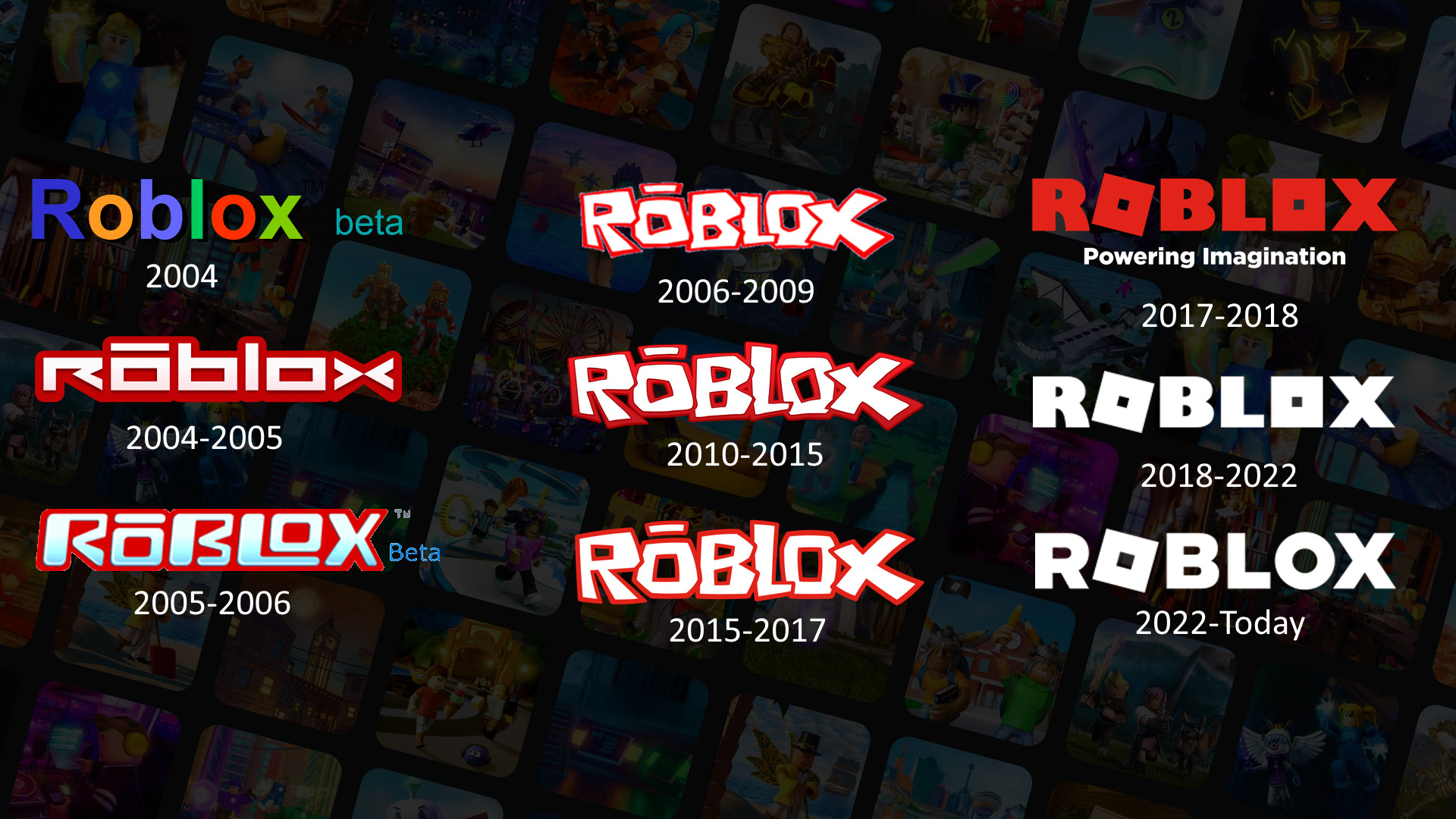
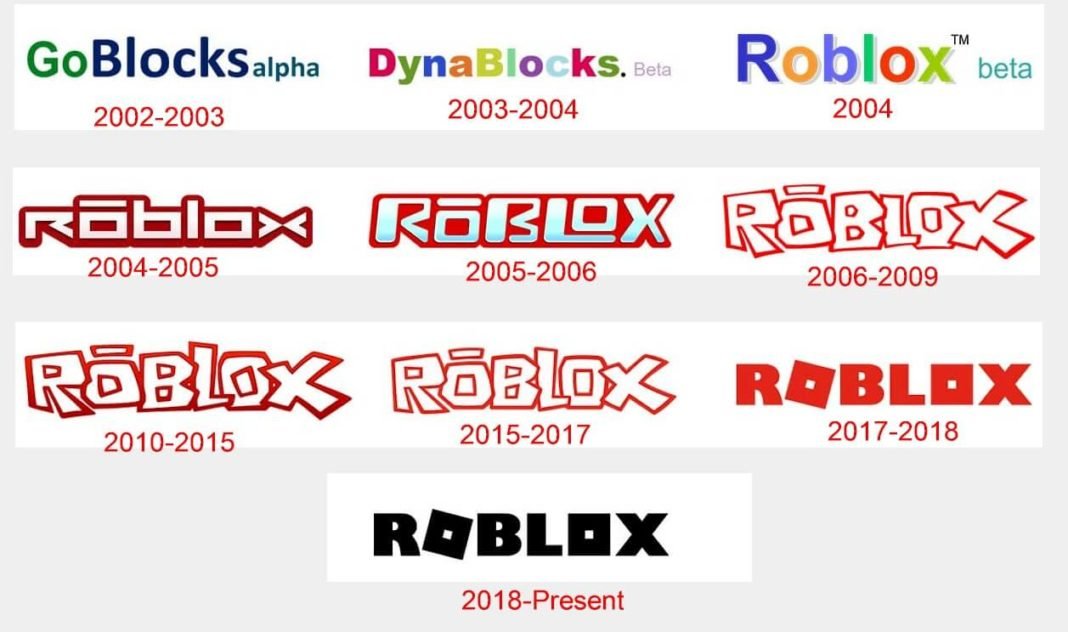
Roblox underwent several branding evolutions after 2004, aligning with its official launch and growth. The most significant shift from the 'DynaBlocks' era, and thus the 2004 Roblox logo, occurred around 2006 when the platform officially rebranded as 'Roblox.' At this point, the logo transitioned to the familiar 'o' block logo and a more playful, distinct wordmark that many veteran players recognize. Subsequent updates happened in 2017 and then a more subtle refresh in 2022. The reasons for these changes were multifaceted: to reflect a more user-friendly and accessible platform, to appeal to a broader and younger audience, and to modernize its image in a rapidly evolving digital landscape. Each logo change marked a significant milestone in Roblox's journey from an experimental builder's tool to a global entertainment phenomenon.
How does nostalgia for the 2004 logo impact the Roblox community
Nostalgia for the 2004 Roblox logo is a powerful force within the Roblox community, especially among older players. It fosters a unique sense of shared history and camaraderie. For many adult gamers, this nostalgia provides a comfortable escape, reminding them of simpler times before the complexities of life took over. This feeling is often expressed in discussions about old games, forgotten features, and the overall 'classic' Roblox experience. It creates a bond between players who remember the origins, leading to fan-made recreations of old games and historical content. This collective memory helps maintain a vibrant subculture within the broader Roblox community, ensuring that the platform's rich past remains a living part of its present, reinforcing its unique identity and continuous journey of evolution.
What was the official name of Roblox in 2004
In 2004, the platform that would eventually become Roblox was known as DynaBlocks. The 2004 Roblox logo would have been associated with this initial conceptual and developmental phase. The name DynaBlocks emphasized its core function as a dynamic, block-based construction system, laying the groundwork for the user-generated content model it would later perfect.
Was Roblox always free to play since its early days
While the initial concept and development around the 2004 Roblox logo laid the groundwork, Roblox embraced a free-to-play model early in its public life, around its 2006 launch. This strategy was crucial for its rapid growth, allowing millions of players to access and create content without an upfront cost. The platform monetized through its virtual currency, Robux, and premium memberships.
How many major logo changes has Roblox had since 2004
Since its conceptual phase in 2004 (as DynaBlocks) and its official rebranding to Roblox, the platform has undergone several significant logo changes. Key transitions occurred around the 2006 launch, then a major refresh in 2017, and a more subtle update in 2022. Each change aimed to modernize the brand, reflect its evolving identity, and appeal to its growing, diverse global audience, far removed from the utilitarian 2004 Roblox logo.
Did the 2004 Roblox logo influence later designs
The 2004 Roblox logo, with its focus on 'blocks' and construction, profoundly influenced later designs by establishing the fundamental visual metaphor for the platform. While subsequent logos became more polished and playful, the core idea of modularity and building blocks remained central. It set the precedent for an identity rooted in creation, a legacy evident in every iteration of the Roblox brand.
As we wrap up our journey through the history of the 2004 Roblox logo, it's clear that even the earliest branding tells a significant story. For us gamers who balance our love for digital worlds with the realities of life, understanding these origins can deepen our appreciation for the games and platforms we invest our precious time in. The 2004 Roblox logo wasn't just an image; it was the genesis of a vision, a symbol of innovation, and a testament to the enduring power of user-generated creativity. It reminds us that every grand adventure starts with a single, often simple, step. What's your biggest gaming challenge when trying to connect with gaming's past or keep up with new trends? Comment below!
Original Roblox branding, Pre Roblox Studio era, Symbol of early gaming community, Foundation of platform identity, Initial design of Roblox logo, Roblox 2004 visual identity, Classic Roblox emblem
35


Roblox Logo 2004 Roblox Logos Roblox Amino . Roblox Logos 2004 2026 YouTube Oar2 . A Complete History Of The Roblox Logo NTBA Roblox Logo History By Dg6rq44 Fullview . Roblox Logo Evolution 10 Free Cliparts Download Images On Clipground 2026 Roblox Logo Evolution . Roblox Logo 2004 Roblox Logos Roblox Amino Large



Roblox Logo 2004 Roblox Logos Roblox Amino Sddefault . Roblox Logo 2004 Roblox Logos Roblox Amino Roblox Logo 2004 . The History And Evolution Of The Roblox Logo What Changed In The Past Roblox Logo 2004 2.webp. Roblox 2025 Logo Roblox Logo Maker MFTZTR Roblox Logo Evolution . All Roblox Logo 2004 2025 YouTube Hqdefault

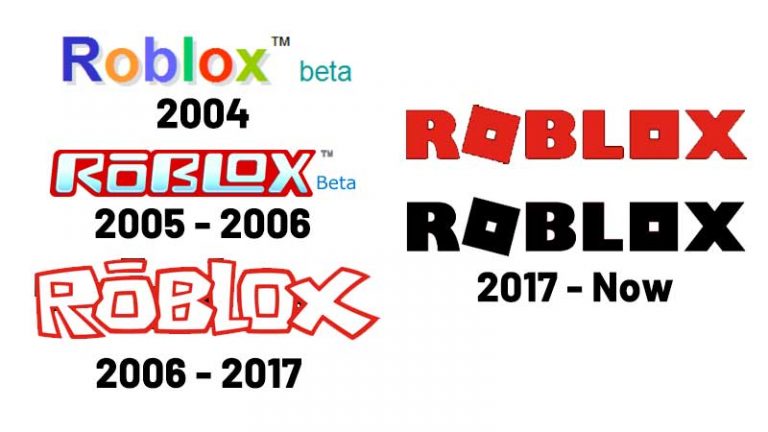


Evolution Of Roblox 2004 2025 YouTube . Roblox Logo Evolution 2004 To 2022 Gamer Tweak Roblox Logo Evolution Aesthetic 768x432 . Roblox Logo Evolution Why The Change . ROBLOX VAI MUDAR DE LOGO EM 2026 YouTube . When Did Roblox Come Out Answering Your Questions
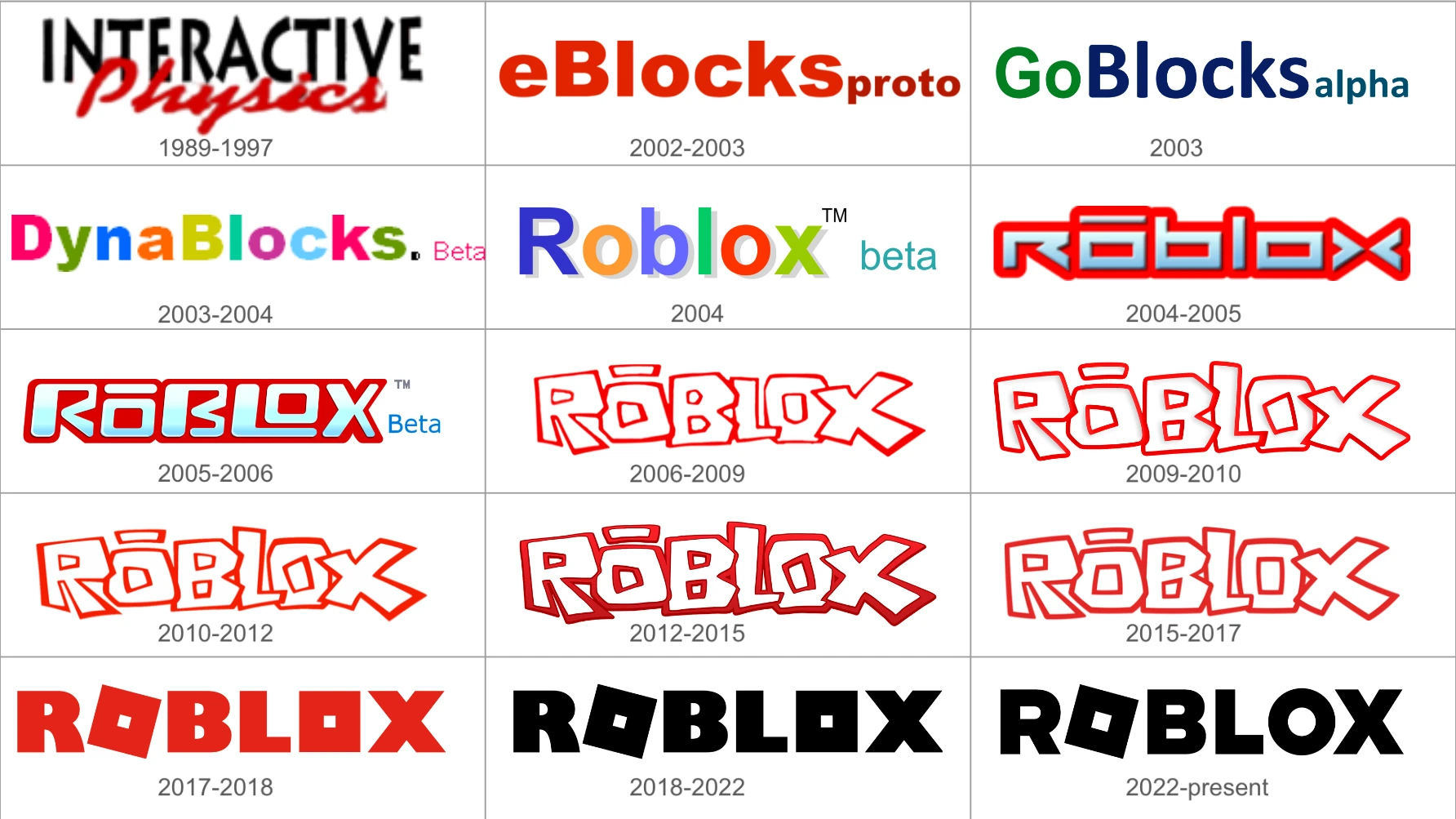



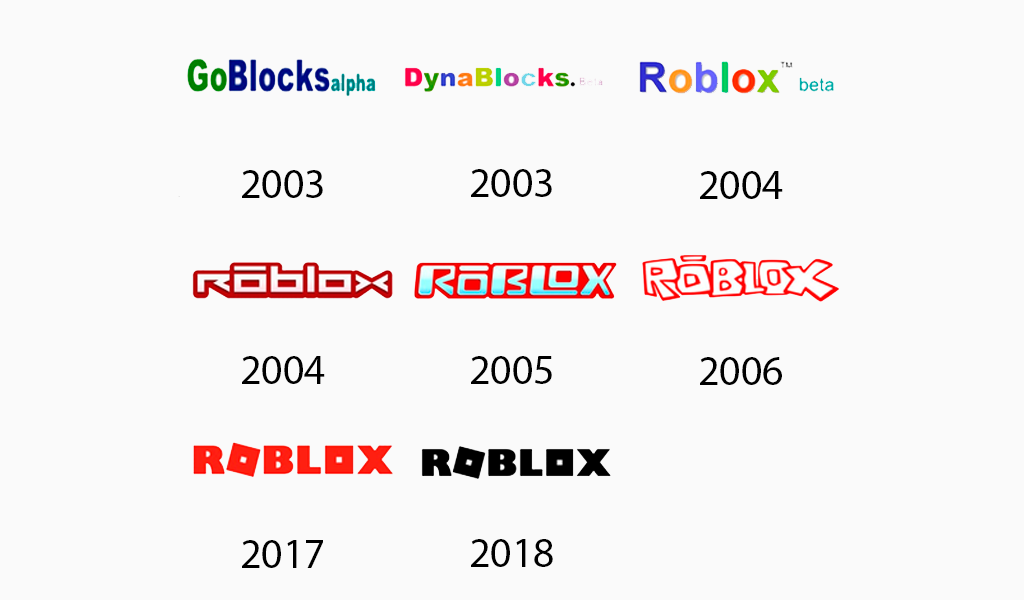
Roblox Logo Evolution A Blocky History A45c0be1 1549 4c5b Be2c. Image Roblox Logo 2004 800px Roblox Logo 2004.svg . Roblox Logo And Symbol Meaning History PNG Roblox Roblox 2006 . Like And Subscribe If U Want The Roblox Logo 2026 Will Be That Oar2 . Roblox Logo Design Geschichte Roblox IRYZ Roblox Logo Evolution 1

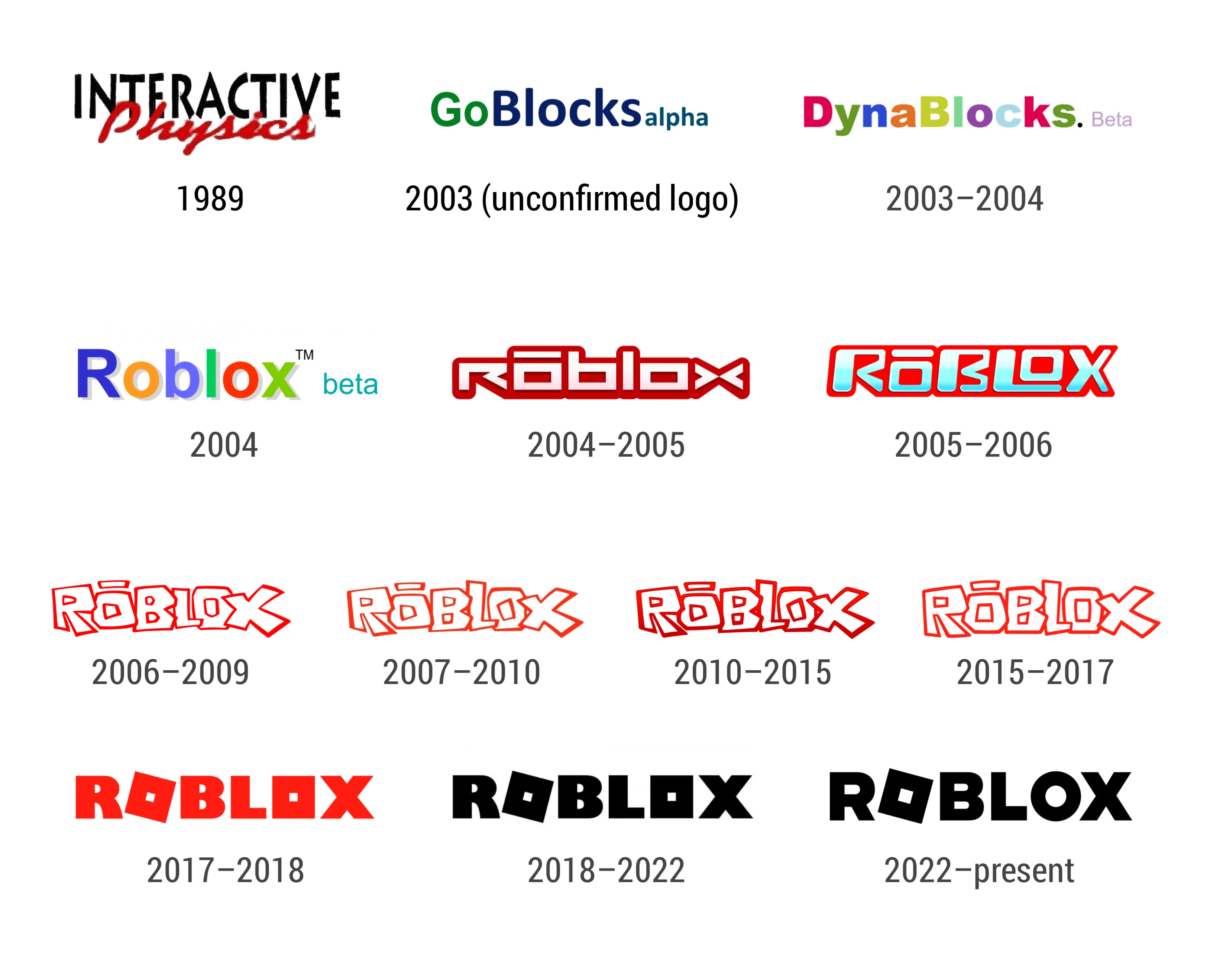


Roblox Logo Looka What Happened To Roblox Logo WIUR 10 12 23 Roblox Logo Evolution LOGO . When Did Roblox Come Out Answering Your Questions 753c35b6 1dc7 490c Ac2b. Roblox Logo 2016 A Nostalgic Look Back Wp13483227 . Roblox Logo History How The Brand Evolved From 2004 To Today Die Geschichte Des Roblox Logos Von Dynablocks Ueber Die Beta Bis Zum Finalen RYjQ3 . Roblox Logo 2004 Svg 3840px Roblox Logo 2004.svg



Roblox Logo Evolution 2004 5000 PART 1 YouTube . Nouveau Logo Roblox 2022 Our Refreshed Logo APKJKL Roblox Logo Evolution 1068x632 . Roblox Logo 2004 Roblox Logos Roblox Amino . Roblox Logo Evolution 2006 2024 YouTube . THE EVOLUTION OF THE ROBLOX LOGO 2026 2004 Music Roblox Viralshort Oardefault




Roblox Logo 2004 Latest. Roblox Logo Evolution 2006 2025 ROBLOX YouTube Hqdefault . Roblox Logo 2004 Roblox Logos Roblox Amino Roblox Logo 5 . Simulador De Roblox 2004 2005 Roblox Simulator Scratch YQTI . Logo History Roblox At Regina Bruce Blog