Unleash your ultimate gaming potential by learning how to build your own HP compatible desktop. This comprehensive guide targets United States gamers eager to customize their battle station for peak performance. You will discover everything needed to assemble a powerful gaming rig, from selecting the right CPU and GPU to optimizing cooling and managing cables effectively. We explain complex gaming terminology, component compatibility, and crucial steps for a successful build, ensuring maximum FPS and system stability. Get ready to dive into the world of custom PC building, enhance your search visibility, and conquer the virtual battlefield. This resource helps you navigate component choices, understand critical hardware, and overcome common building hurdles, making the process approachable and rewarding. Elevate your gameplay and build a machine perfectly suited for your favorite titles.
- Is building an HP gaming desktop worth it in 2026? - Building your own HP-compatible gaming PC in 2026 offers great value. Component advancements allow for powerful, customized rigs that often outperform prebuilts at similar price points. You get better control over parts, future upgrades, and personalized aesthetics, ensuring a system tailored to the latest games and technologies.
- What are the main steps to build an HP gaming PC? - The main steps involve selecting compatible components, preparing the motherboard with CPU and RAM, installing everything into the case, managing cables, and finally, installing the operating system and drivers. Careful planning and following a step-by-step guide ensure a smooth assembly process for your HP gaming rig.
- Can a beginner build an HP compatible gaming desktop? - Yes, a beginner can definitely build an HP compatible gaming desktop. While it seems daunting, many resources exist to guide you. Taking your time, watching video tutorials, and having a detailed guide makes the process manageable. Patience and attention to detail are key to a successful first build.
- What budget is realistic for an HP custom gaming PC? - A realistic budget for an HP custom gaming PC starts around 800-1000 for solid 1080p performance. Mid-range systems for 1440p gaming typically cost 1200-2000. High-end builds for 4K gaming can easily exceed 2500. Your budget directly influences component choices and ultimately, gaming performance.
- How do I ensure component compatibility for my HP build? - To ensure compatibility, use online tools like PCPartPicker. Verify the CPU socket matches the motherboard, RAM type and speed are supported, and the PSU wattage is sufficient for all components. Also, check that your chosen GPU fits physically within the case. Double-checking manuals is always a smart move.
- Where can I find reliable parts for an HP gaming desktop build? - Reliable parts can be sourced from major online retailers like Amazon, Newegg, Best Buy, and Micro Center. Manufacturer websites for brands like NVIDIA, AMD, Intel, Corsair, and Crucial are also good. Always check reviews and warranties. Local computer stores can also offer advice and components.
- What is the best way to optimize an HP compatible gaming PC? - Optimizing your HP compatible gaming PC involves regular driver updates for GPU and chipset, enabling XMP for RAM, and managing background applications. Fine-tuning in-game settings, ensuring proper cooling, and potentially light overclocking can further boost performance for the best gaming experience.
- Guide to Dominating Battle Arena Solo Roblox
- Guide to BattleBuddy Roblox Success for Busy Gamers
- Guide to Roblox Scripts Mobile: Boost Your Play Now
- How to Master Roblox Haunted Mansion Secrets & Tips
- Guide to Kayleetaco Roblox: Maximize Your Fun & Community
Is building an HP gaming desktop hard?
Building an HP gaming desktop involves careful component selection and assembly. It is a rewarding process, but requires attention to detail. While not overly difficult, first-time builders should dedicate enough time and follow guides closely. Resources like video tutorials and online forums can provide great assistance throughout the build. Plan ahead, gather your tools, and take it step by step for a successful experience.
What parts do I need for an HP compatible gaming PC?
For an HP compatible gaming PC, you will need a CPU, GPU, motherboard, RAM, storage SSD recommended, power supply unit, and a case. Additionally, a CPU cooler is crucial, either air or liquid. Peripherals like a monitor, keyboard, and mouse are also essential. Ensure all components are compatible with each other, especially the CPU socket with the motherboard, and the PSU wattage with total system power draw.
How much does it cost to build an HP gaming desktop?
The cost to build an HP compatible gaming desktop varies greatly based on desired performance and components. A budget build might start around 800-1000, offering solid 1080p gaming. Mid-range systems for 1440p gaming typically range from 1200-2000. High-end 4K gaming PCs can easily exceed 2500. Prices depend on sales, specific component choices, and market availability.
Can I upgrade a prebuilt HP gaming PC?
Upgrading a prebuilt HP gaming PC is often possible but can present challenges. Components like RAM, storage SSDs, HDDs, and GPUs are generally upgradeable. However, HP's proprietary motherboards and power supplies in some models can limit CPU and PSU upgrades due to non-standard form factors or connectors. Always verify compatibility before purchasing new parts for a prebuilt system.
What are the benefits of building an HP compatible gaming PC?
Building an HP compatible gaming PC offers several advantages. You gain complete control over component selection, tailoring performance to your exact gaming needs and budget. This often results in better value for money compared to prebuilts. Custom builds also provide superior upgrade paths, easier maintenance, and the satisfaction of creating your own powerful gaming machine. It is a truly personalized gaming experience.
Why Consider an HP Build Your Own Desktop for Gaming?
Many gamers dream of a PC that perfectly meets their needs. Building your own desktop, even one that uses HP compatible parts, lets you craft that dream machine. HP has a strong name in prebuilt systems, but a custom build gives you complete control over every component. Imagine a PC tailored exactly for the games you play, offering performance levels often hard to find off the shelf.
The benefits of building are clear. You can pick specific parts to boost framerates in your favorite titles, control the look of your setup, and make future upgrades easier. Sometimes, a custom build can even save you money compared to a prebuilt system with similar power. It is about getting the most bang for your buck, ensuring every dollar goes towards a component that truly enhances your gaming experience.
People often ask, Can you truly build your own HP desktop? The answer is yes. While you might not be fabricating a motherboard from scratch with an HP logo, you can absolutely select industry-standard, HP compatible components. This means choosing a case, CPU, GPU, and other parts that work seamlessly together, giving you the feel and performance of a top-tier HP Omen machine, but built by your own hands.
Understanding the Core Components of Your Custom HP Gaming Rig
CPU Central Processing Unit
The CPU, or Central Processing Unit, acts like the brain of your gaming PC. It handles all the complex calculations that are not graphic related, impacting game logic, AI, and overall system responsiveness. When choosing a CPU, you will typically look at options from AMD or Intel. Factors like core count and clock speed are important for how well your games run.
Matching your CPU to your budget and graphics card is a smart move. An overpowered CPU with a weak GPU, or vice versa, creates a bottleneck, limiting your system's overall performance. Always check that your chosen CPU is compatible with the motherboard socket. High performance CPUs also often demand robust cooling solutions to prevent overheating during intense gaming sessions.
What about overclocking? This involves pushing your CPU beyond its factory settings for extra performance. While great for experienced builders seeking every last frame, it requires solid cooling and stability testing. Understanding CPU generations helps with future proofing your build, ensuring it stays relevant for upcoming game releases.
GPU Graphics Processing Unit The Gaming Powerhouse
The GPU, or Graphics Processing Unit, is arguably the single most important component for a gaming PC. It renders all the visuals you see on your screen, directly affecting resolutions, framerates, and graphical fidelity. You will choose between NVIDIA GeForce cards and AMD Radeon cards, each with its strengths and specific features.
Selecting a GPU should align with your target games and monitor. If you plan to game at 1440p or 4K, a more powerful GPU with ample VRAM is essential. Conversely, a 1080p monitor at 60Hz might not need the most expensive card. Ensure your GPU balances with your CPU to avoid performance bottlenecks. Also consider its physical size and the power connectors it requires to fit inside your chosen case and connect to your power supply.
Is a high end GPU overkill for my HP build? Not necessarily. It depends on your gaming goals. If you aim for competitive framerates in demanding titles or want to experience ray tracing, investing in a strong GPU is critical. Check benchmarks for your desired games to see which GPU tier offers the performance you need.
RAM Random Access Memory
RAM, or Random Access Memory, serves as your PC's short-term memory, holding data that the CPU needs to access quickly. For gaming, RAM capacity and speed are both important. Most modern gaming PCs utilize DDR4 or the newer, faster DDR5 memory modules. Typical capacities range from 16GB to 32GB, with higher speeds measured in MHz benefiting overall system responsiveness.
Running RAM in dual channel configuration significantly boosts performance compared to a single stick. How much RAM do modern games really need? While 16GB is often the sweet spot for many titles, 32GB offers more headroom for multitasking, streaming, or future game requirements. Avoid common RAM mistakes like mixing incompatible speeds or failing to enable XMP profiles in your BIOS for optimal performance.
Upgrading RAM is one of the easier enhancements for your gaming rig down the line. Always ensure new RAM sticks are compatible with your motherboard and CPU. Enabling XMP or DOCP in your BIOS ensures your RAM runs at its advertised, higher speeds, making your gaming experience smoother.
Storage SSDs and HDDs
The speed of your storage directly impacts game load times and overall system responsiveness. NVMe SSDs, which slot directly into M.2 ports on your motherboard, are the preferred choice for primary drives due to their incredible speeds. SATA SSDs offer a good balance of speed and cost, while traditional Hard Disk Drives HDDs are best for bulk storage of less frequently accessed games or media.
How much storage do I need for my HP gaming desktop? For a dedicated gaming PC, a 1TB NVMe SSD for your operating system and primary games is a great starting point. Many gamers add a second, larger SATA SSD or HDD for their extensive game libraries. This balances quick access to essential titles with ample space for everything else.
Understanding PCIe generations Gen3, Gen4 for NVMe drives can also influence performance. Newer generations offer faster data transfer rates, which means even quicker game loads. Always consider data integrity and backup solutions for your valuable game saves and personal files.
Motherboard The Foundation
The motherboard is the backbone of your gaming PC, connecting every component together. It dictates what CPU you can use, how much RAM you can install, and what expansion cards your system supports. Key considerations include chipset compatibility with your CPU Intel sockets, AMD sockets and its form factor ATX, Micro ATX, Mini ITX.
When choosing a motherboard, look for essential features: enough PCIe slots for your GPU, multiple M.2 slots for NVMe SSDs, enough RAM slots for your desired capacity, and plenty of USB ports for your peripherals. What is the best motherboard for an HP build? There is no single answer; it depends on your chosen CPU and features you prioritize, such as advanced networking like Wi-Fi 6E or 2.5GbE Ethernet.
The motherboard also houses your BIOS, which is critical for system configuration. Look for boards with robust power delivery systems VRMs if you plan on overclocking, as this ensures stable power to your CPU. Fan headers and RGB headers are also important for managing cooling and aesthetics.
Power Supply Unit PSU
The Power Supply Unit PSU is often overlooked, but it is vital. It delivers consistent, clean power to every component in your PC. Calculating the right wattage is crucial; you need enough power for your CPU, GPU, and all other parts, with some headroom for stability and future upgrades. PSUs come with 80 Plus efficiency ratings Bronze, Gold, Platinum indicating how efficiently they convert AC to DC power.
PSUs also come in modular, semi modular, and non modular designs. Modular PSUs allow you to connect only the cables you need, making cable management much easier. Can I reuse my old PSU for a new HP build? Only if it is a reputable brand, the correct wattage, and has all the necessary connectors for your new components. Never compromise on PSU quality for reliability and safety.
Future proofing your PSU means selecting one with slightly more wattage than your current needs, anticipating potential GPU or CPU upgrades. Always ensure it has the correct power connectors for your graphics card and CPU. Proper cable management around the PSU area helps with airflow and a cleaner looking build.
Case and Cooling
Your PC case is more than just a box; it protects your components, influences airflow, and defines your build's aesthetic. Consider its form factor full tower, mid tower, compact and whether it can accommodate your chosen motherboard, GPU, and cooling solutions. Tempered glass panels offer a clear view of your components, while solid panels might prioritize noise reduction.
Effective cooling is essential for maintaining component longevity and preventing performance throttling. You will choose between traditional air coolers and all in one AIO liquid coolers. Strategic fan placement intake vs. exhaust is key for optimal airflow. Do I need extra fans for my HP gaming PC? Often, yes, especially if you have high performance components that generate significant heat.
Managing thermals keeps your CPU and GPU running efficiently, preventing them from slowing down under load. Consider the noise levels of your chosen cooling solutions. Many cases and fans also offer RGB lighting for gamers who want to add a personalized visual flair to their setup.
Step by Step Guide Building Your HP Compatible Gaming Desktop
Pre Build Checklist Gather Your Tools
Before diving into assembly, a little preparation goes a long way. You will need some basic tools: a Phillips head screwdriver, preferably magnetic, zip ties or Velcro straps for cable management, and good thermal paste unless your CPU cooler has it pre applied. An anti static wrist strap is highly recommended to protect sensitive components from static electricity.
Clear a large, well lit workspace, free from clutter. Having the manuals for each component handy will be incredibly useful throughout the process. Take precautions against static electricity, which can damage parts. Always touch a grounded metal object before handling components. This simple step can save you a lot of headache.
Before starting, verify that all your purchased parts have arrived and are undamaged. Lay them out in an organized manner. Planning your cable routes in advance can also save time and make for a much cleaner looking final build.
Motherboard Prep CPU RAM and Cooler Installation
The initial component installations are best done on the motherboard outside the case. First, carefully install your CPU into its socket, ensuring the correct orientation. Then, apply thermal paste if your cooler does not have it pre applied, and mount your CPU cooler, whether it is an air cooler or an AIO liquid cooler's pump block.
Next, snap your RAM modules into their designated slots on the motherboard. Make sure they are seated firmly. Double checking all these connections now, before placing the motherboard in the case, is much easier. What order should I install components on the motherboard? CPU first, then RAM, then the cooler, generally is the most efficient sequence.
For those feeling a bit nervous, a breadboarding test can be invaluable. This involves connecting the essential components CPU, RAM, GPU, PSU, and a monitor on a non conductive surface to ensure they power on and display a signal before you commit them to the case. It helps troubleshoot issues early.
Mounting Components in the Case
Once the motherboard is prepped, it is time to move it into your chosen PC case. Carefully place the motherboard onto the standoffs in the case and secure it with screws. After that, mount your Power Supply Unit PSU in its designated spot, typically at the bottom of the case.
Next, install your storage drives. This includes M.2 NVMe SSDs, which might have been installed during motherboard prep, as well as SATA SSDs and traditional HDDs into their respective bays. Start routing their power and data cables neatly. Finally, carefully install your graphics card into the top PCIe slot on the motherboard, secure it with a screw or latch, and connect all necessary power cables from the PSU to the GPU.
Throughout this stage, take your time and refer to your case and component manuals for specific mounting instructions. Ensuring everything is securely fastened prevents issues down the line.
Cable Management and Final Connections
Good cable management is crucial for both aesthetics and optimal airflow. Start by connecting the small front panel connectors from your case power button, reset button, USB ports, audio to the motherboard headers. These are often the trickiest, so consult your motherboard manual carefully. Ensure all fan headers are connected to the motherboard or a fan controller.
The real art comes with routing larger cables. Use the channels and tie down points behind the motherboard tray in your case. Zip ties or Velcro straps are your best friends here. How important is cable management for a gaming PC? Very. It improves airflow, which keeps components cooler, and makes future upgrades or troubleshooting much simpler.
Double check all power connections: the large 24 pin ATX connector to the motherboard, the 8 pin CPU power connector, and all PCIe power cables to your GPU. Ensure no loose wires are obstructing fans or airflow. A tidy build not only looks professional but also performs better.
First Boot and Operating System Installation
The moment of truth! Connect your monitor, keyboard, and mouse. Power on your new HP compatible gaming desktop. You should see a display on your monitor and hear the fans spin up. If nothing appears, do not panic; troubleshoot common first boot issues like loose cables or incorrectly seated RAM. Look for any diagnostic lights or POST codes on your motherboard if available.
Once you get a display, access your BIOS typically by pressing Delete or F2 during startup. Here, you can enable XMP for your RAM, set the correct boot order, and ensure all components are recognized. Then, proceed with installing your operating system, usually Windows, from a USB drive. Which operating system is best for gaming? Windows is generally the standard for its broad game compatibility and driver support.
After Windows is installed, immediately install all necessary drivers: chipset drivers from your motherboard manufacturer, the latest GPU drivers from NVIDIA or AMD, and audio/network drivers. Update Windows fully. Finally, run some benchmarks or your favorite games to test performance and stability, fine tuning settings as needed.
Optimizing Your HP Compatible Gaming Desktop for Maximum Performance
Driver Updates and Software Management
Maintaining peak performance for your HP compatible gaming desktop means staying on top of driver updates. Your GPU drivers from NVIDIA GeForce Experience or AMD Adrenalin should be updated regularly, as these often include performance enhancements and bug fixes for new game releases. Do not forget chipset drivers from your motherboard manufacturer, as these are crucial for system stability and communication between components.
Beyond drivers, effective software management plays a big role. Close unnecessary background processes when gaming. Optimize Windows settings, such as enabling Game Mode and selecting a High Performance power plan. Does bloatware affect gaming performance? Yes, any unnecessary software consuming system resources can detract from your gaming experience, so keep your system clean.
Efficiently manage your game launchers and keep your games updated. Regularly monitoring system performance during gameplay, perhaps using tools like MSI Afterburner, can help identify any bottlenecks or issues. A well maintained software environment ensures your hardware delivers its full potential.
Overclocking and Undervolting Tips
For experienced builders seeking an extra edge, CPU and GPU overclocking can unlock additional performance. This involves carefully increasing clock speeds beyond factory settings, using software like MSI Afterburner for GPUs or BIOS settings for CPUs. Always stress test your system extensively after any overclocking adjustments to ensure stability and avoid crashes.
Conversely, undervolting involves reducing component voltage while maintaining stable clock speeds. This can significantly improve thermals and reduce power consumption, especially beneficial in more compact HP compatible cases. It can lead to a cooler and quieter system without sacrificing performance. Safe limits for adjustments are key to both processes.
Is overclocking safe for my HP components? If done carefully and with adequate cooling, modern components are built to handle it. However, pushing too far without sufficient cooling can lead to instability or even component degradation. Always ensure your cooling setup is robust enough to handle the increased heat generated by overclocked parts.
Common Mistakes to Avoid When Building Your Own HP Desktop
Component Incompatibility
One of the most frequent pitfalls when building a PC is component incompatibility. Many new builders fail to check if their chosen CPU socket matches the motherboard chipset, or if their RAM type DDR4 vs. DDR5 is supported by the motherboard. The physical size of the GPU must also fit within the chosen PC case without obstructing other components.
Another common error is selecting a Power Supply Unit PSU with insufficient wattage for all your components, especially a powerful CPU and GPU. Forgetting to verify PCIe lanes for multiple NVMe drives or other expansion cards can also cause headaches. How do I ensure all my parts work together? Utilize online tools like PCPartPicker, which automatically check compatibility as you select components, providing a critical safety net before you buy.
Always consult the manuals for your motherboard and other major components. These documents contain vital information about supported hardware and installation guidelines. A few minutes spent verifying compatibility beforehand can save hours of frustration and potential returns later.
Poor Cable Management and Airflow
Neglecting cable management can lead to a tangled mess, which is not only unsightly but also detrimental to your PC's performance. Tangled cables obstruct crucial airflow paths inside the case, causing components to run hotter. This can lead to thermal throttling, where your CPU or GPU automatically reduces its performance to prevent overheating, directly impacting your gaming experience.
Incorrect fan orientation is another common mistake. Fans should be strategically placed to create a consistent flow of air, typically with intake fans bringing cool air in and exhaust fans expelling hot air out. Insufficient case fans for high end components will also lead to elevated temperatures. Does cable management really improve gaming performance? Indirectly, yes, by ensuring optimal cooling and preventing thermal throttling.
To avoid these issues, plan your cable routes from the very beginning of your build. Utilize the cable routing cutouts and tie down points often found behind the motherboard tray in modern cases. Using zip ties or Velcro straps to bundle and secure cables neatly creates a cleaner look and significantly improves airflow within your gaming PC.
Neglecting Thermal Paste and Drivers
Forgetting to apply thermal paste, or applying it incorrectly, is a critical mistake that can severely impact your CPU's cooling. Thermal paste facilitates heat transfer from the CPU to its cooler, and without it, your processor will quickly overheat and throttle, or even shut down. Always ensure you apply a fresh, pea sized dab of quality thermal paste to the center of your CPU before mounting the cooler.
Another significant oversight is running games on outdated GPU drivers. Outdated drivers often lack optimizations for new game titles, leading to lower framerates, graphical glitches, and system instability. Neglecting chipset and other critical driver updates can also cause various performance and compatibility issues throughout your system. How often should I update my drivers? For GPUs, check for updates regularly, especially with new game releases. For chipset and other drivers, typically update once every few months or when troubleshooting an issue.
Always perform a clean installation of your GPU drivers to avoid conflicts from previous versions. Download the latest drivers directly from the manufacturer's website NVIDIA, AMD, Intel. Keeping your drivers current ensures your HP compatible gaming desktop runs at its best, providing a smooth and stable gaming experience.
Frequently Asked Questions About HP Desktop Builds
Is it cheaper to build my own HP gaming PC?
Building your own HP compatible gaming PC often proves more cost effective than purchasing a prebuilt system with similar specifications. While the initial investment might seem high, you can choose specific components during sales or from various vendors, potentially saving a considerable amount. This allows you to allocate your budget precisely to the parts that matter most for your gaming preferences.
Can I use HP parts in a custom build?
Yes, you can certainly use some HP parts in a custom build, provided they adhere to industry standards. Components like RAM, storage drives (SSDs, HDDs), and even certain graphics cards from HP systems can be integrated. However, proprietary HP motherboards, cases, and power supplies often use non-standard connectors or form factors, making them difficult to incorporate into a generic custom build. Always verify compatibility.
What HP components are best for gaming?
When considering HP compatible components for gaming, focus on high performance, industry standard parts. This includes powerful NVIDIA GeForce RTX or AMD Radeon RX graphics cards, capable Intel Core i series or AMD Ryzen processors, ample fast DDR4 or DDR5 RAM, and rapid NVMe SSD storage. HP's own Omen series typically showcases the type of high end components that deliver excellent gaming performance.
How long does it take to build an HP compatible gaming desktop?
For a first time builder, assembling an HP compatible gaming desktop can take between 4 to 8 hours. This includes the physical assembly, initial troubleshooting, and installing the operating system with all drivers. Experienced builders might complete the hardware assembly in 1 to 3 hours. It is advisable to set aside a full day to avoid rushing and to fully enjoy the building process.
What tools do I need to build an HP gaming PC?
To build an HP compatible gaming PC, you will primarily need a Phillips head screwdriver, preferably magnetic, zip ties or Velcro straps for cable management, and potentially a small pair of cutters. An anti static wrist strap is highly recommended to protect sensitive components. Thermal paste is also essential for CPU installation, though some coolers come with it pre applied.
Frequently Asked Questions About HP Desktop Builds
Is building an HP gaming desktop hard?
Building an HP gaming desktop involves careful component selection and assembly. It is a rewarding process, but requires attention to detail. While not overly difficult, first time builders should dedicate enough time and follow guides closely. Resources like video tutorials and online forums can provide great assistance throughout the build. Plan ahead, gather your tools, and take it step by step for a successful experience.
What parts do I need for an HP compatible gaming PC?
For an HP compatible gaming PC, you will need a CPU, GPU, motherboard, RAM, storage SSD recommended, power supply unit, and a case. Additionally, a CPU cooler is crucial, either air or liquid. Peripherals like a monitor, keyboard, and mouse are also essential. Ensure all components are compatible with each other, especially the CPU socket with the motherboard, and the PSU wattage with total system power draw.
How much does it cost to build an HP gaming desktop?
The cost to build an HP compatible gaming desktop varies greatly based on desired performance and components. A budget build might start around 800-1000, offering solid 1080p gaming. Mid range systems for 1440p gaming typically range from 1200-2000. High end 4K gaming PCs can easily exceed 2500. Prices depend on sales, specific component choices, and market availability.
Can I upgrade a prebuilt HP gaming PC?
Upgrading a prebuilt HP gaming PC is often possible but can present challenges. Components like RAM, storage SSDs, HDDs, and GPUs are generally upgradeable. However, HP's proprietary motherboards and power supplies in some models can limit CPU and PSU upgrades due to non standard form factors or connectors. Always verify compatibility before purchasing new parts for a prebuilt system.
What are the benefits of building an HP compatible gaming PC?
Building an HP compatible gaming PC offers several advantages. You gain complete control over component selection, tailoring performance to your exact gaming needs and budget. This often results in better value for money compared to prebuilts. Custom builds also provide superior upgrade paths, easier maintenance, and the satisfaction of creating your own powerful gaming machine. It is a truly personalized gaming experience.
HP custom PC build, gaming desktop assembly guide, best HP gaming components, build your own HP Omen PC, optimizing HP desktop for games, DIY HP gaming computer setup, cost effective HP PC building
35
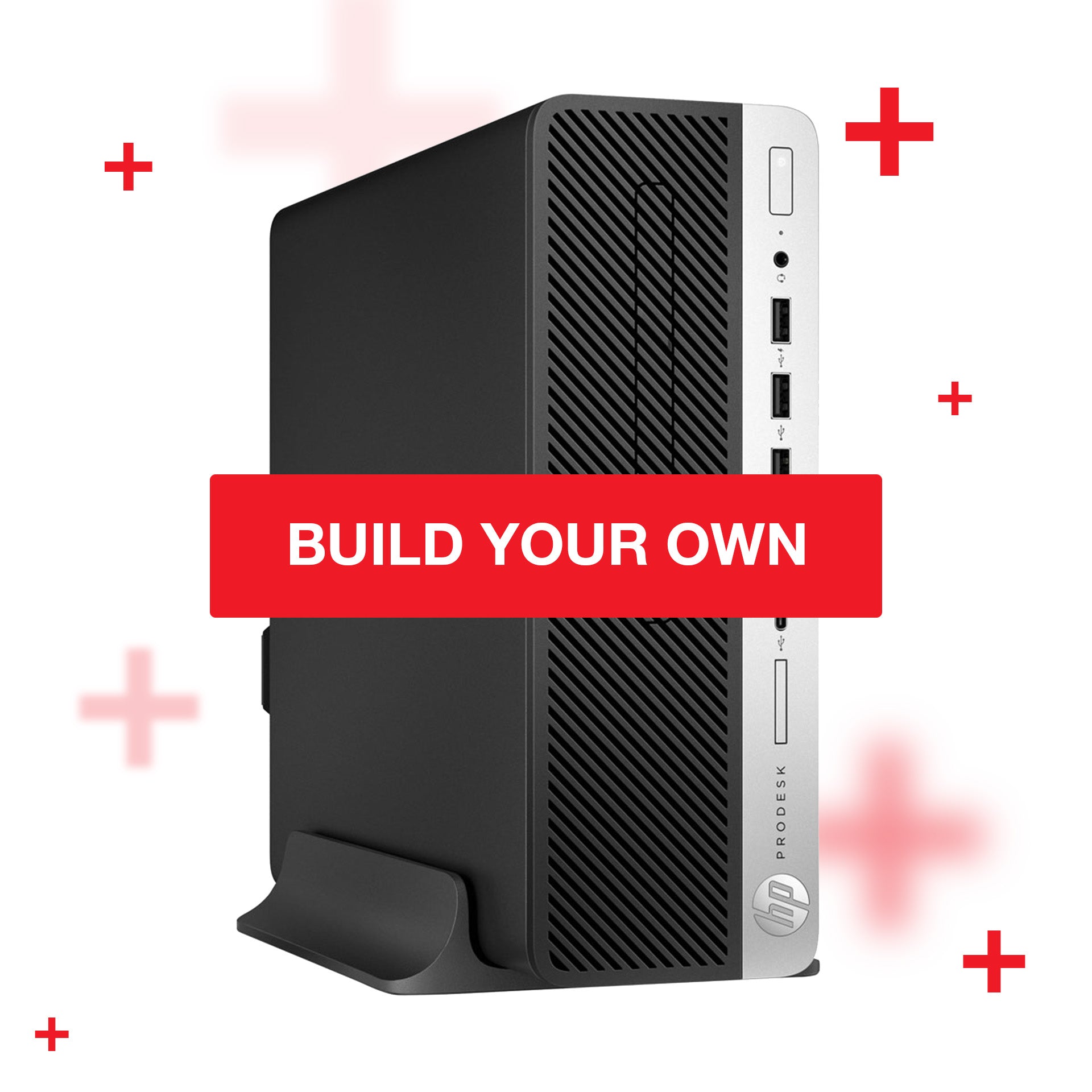


Build Your Own PC Shop HP Com Malaysia W100 Step 1 Image . Build Your Own CustomBuild 8a5bab23 1754 4e93 9224 . How To Build Your Own Desktop Computer R6Z5BMEcET EBh9SF7r. HP Desktop Computers And All In One PCs HP Canada C06428239 . HP Desktops HP Malaysia Modern Sleek Design
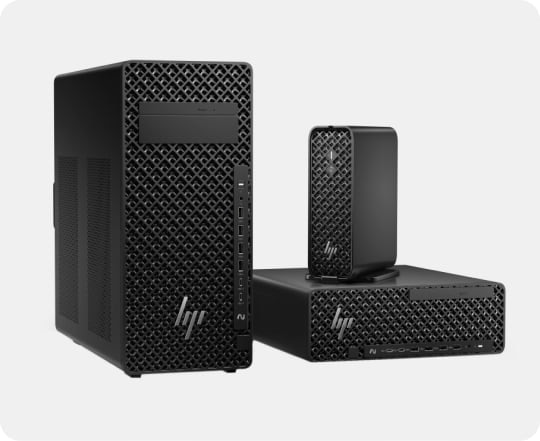
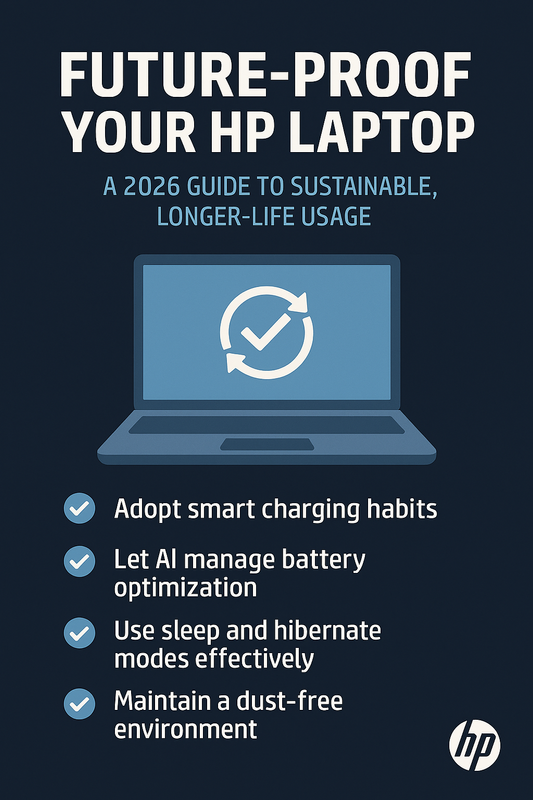
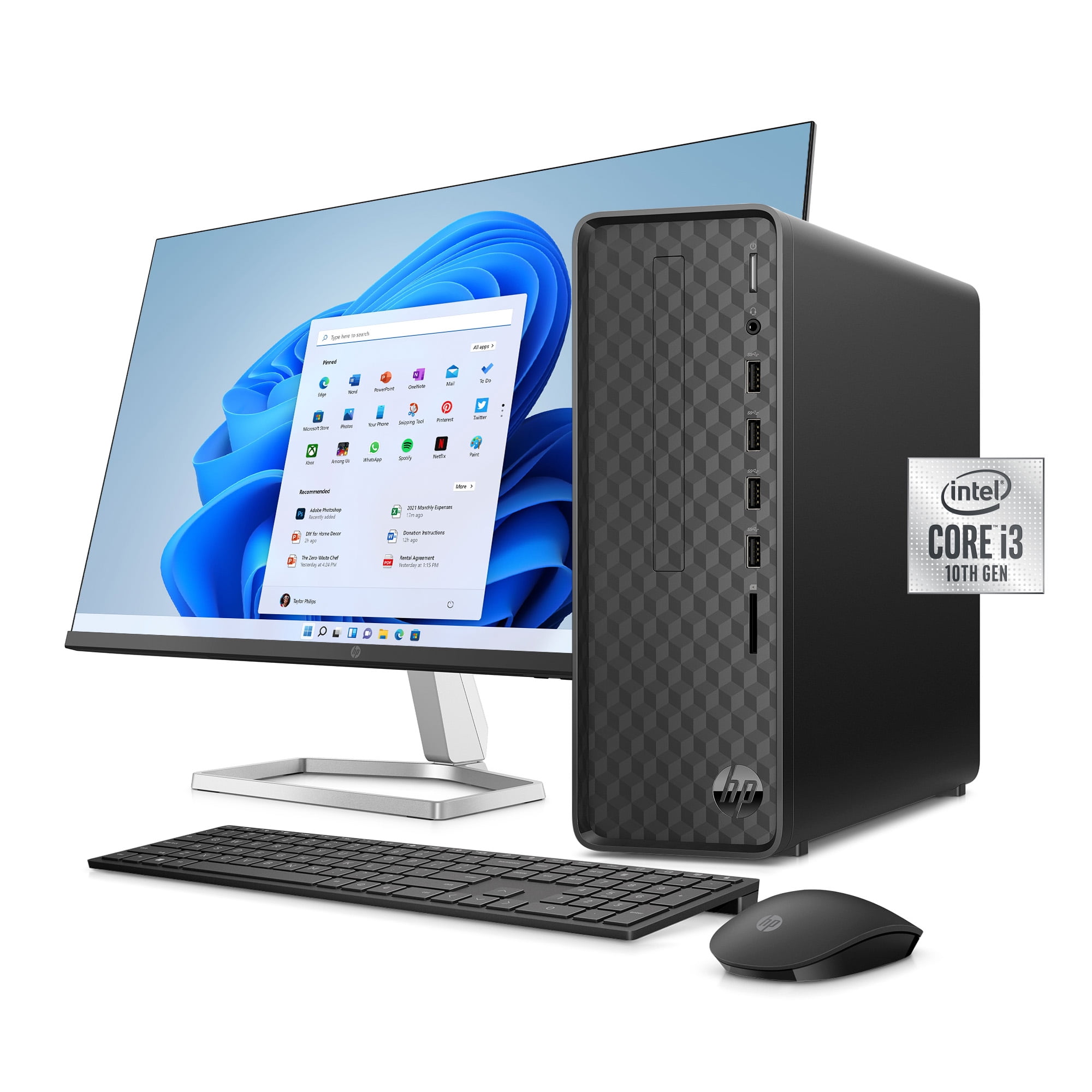
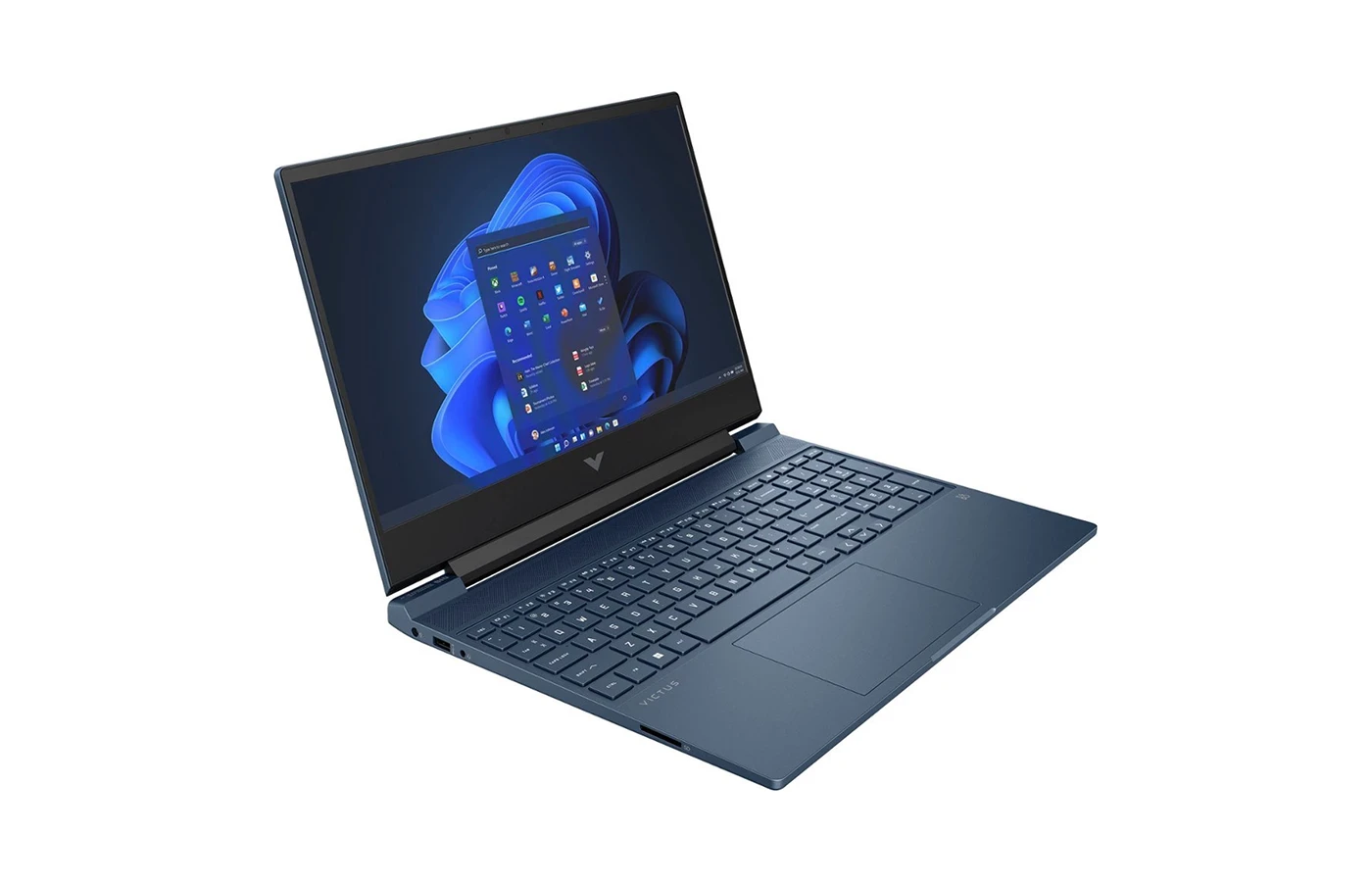

Build Your Own HP Store US . Future Proof Your HP Laptop The 2026 Guide To Sustainable HP Large. Best Desktop Computers 2021 For Home Use HP Slim 27 Desktop Bundle Intel Core I3 10105 8GB RAM 256GB SSD Dark Black Windows 11 Home S01 PF2003wb M27fe 747beed0 B12e 4f75 94bd . HP Victus 15 Fa2013dx I5 RTX 3050 16GB Price In Nepal Absolute Hp Victus 15 Intel Core I5 134. Build Your Own Aquarium Kit Desktop Tank Aquariums Tanks Create Build Your Own Aquarium Kit Desktop Tank
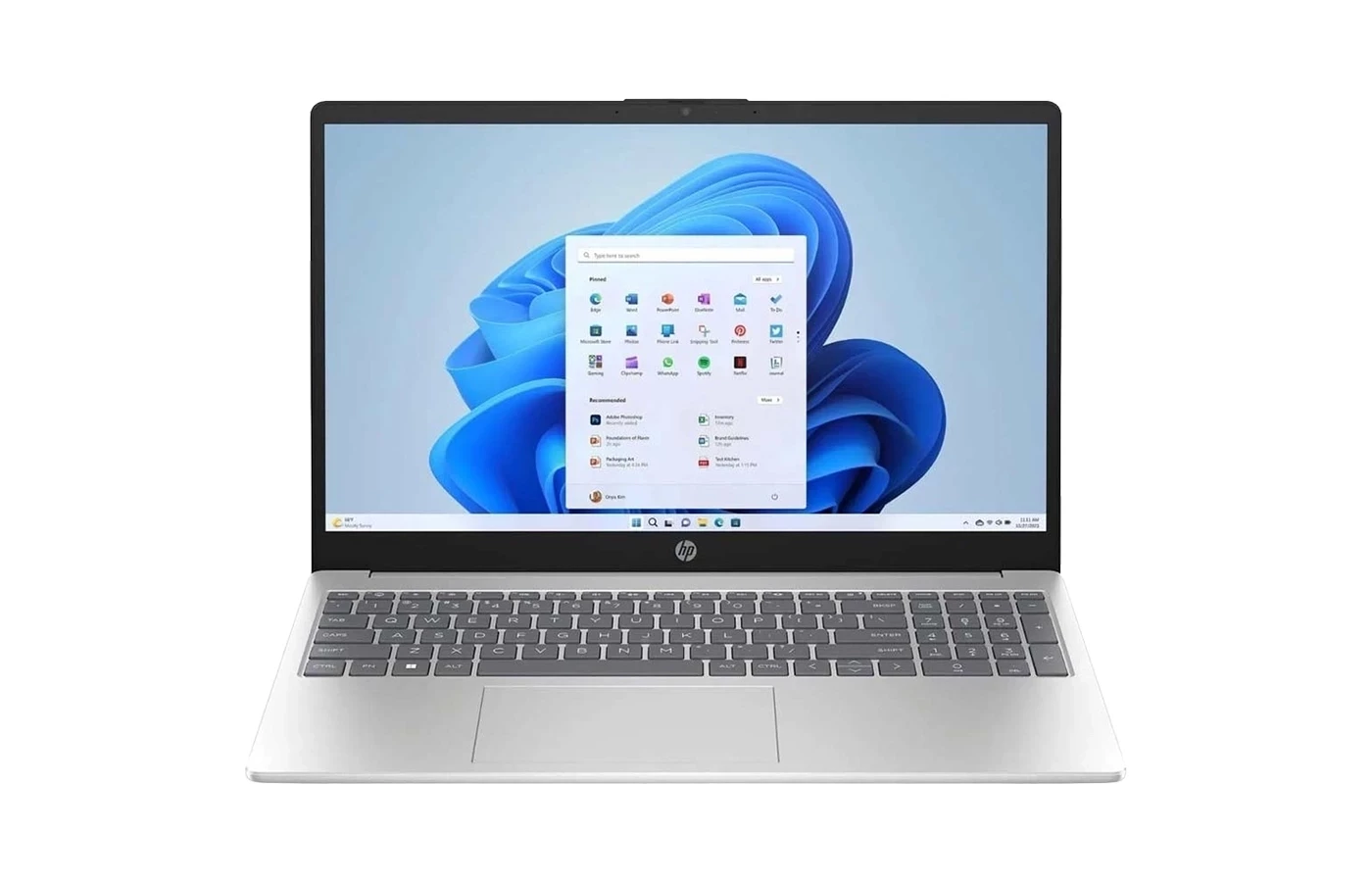
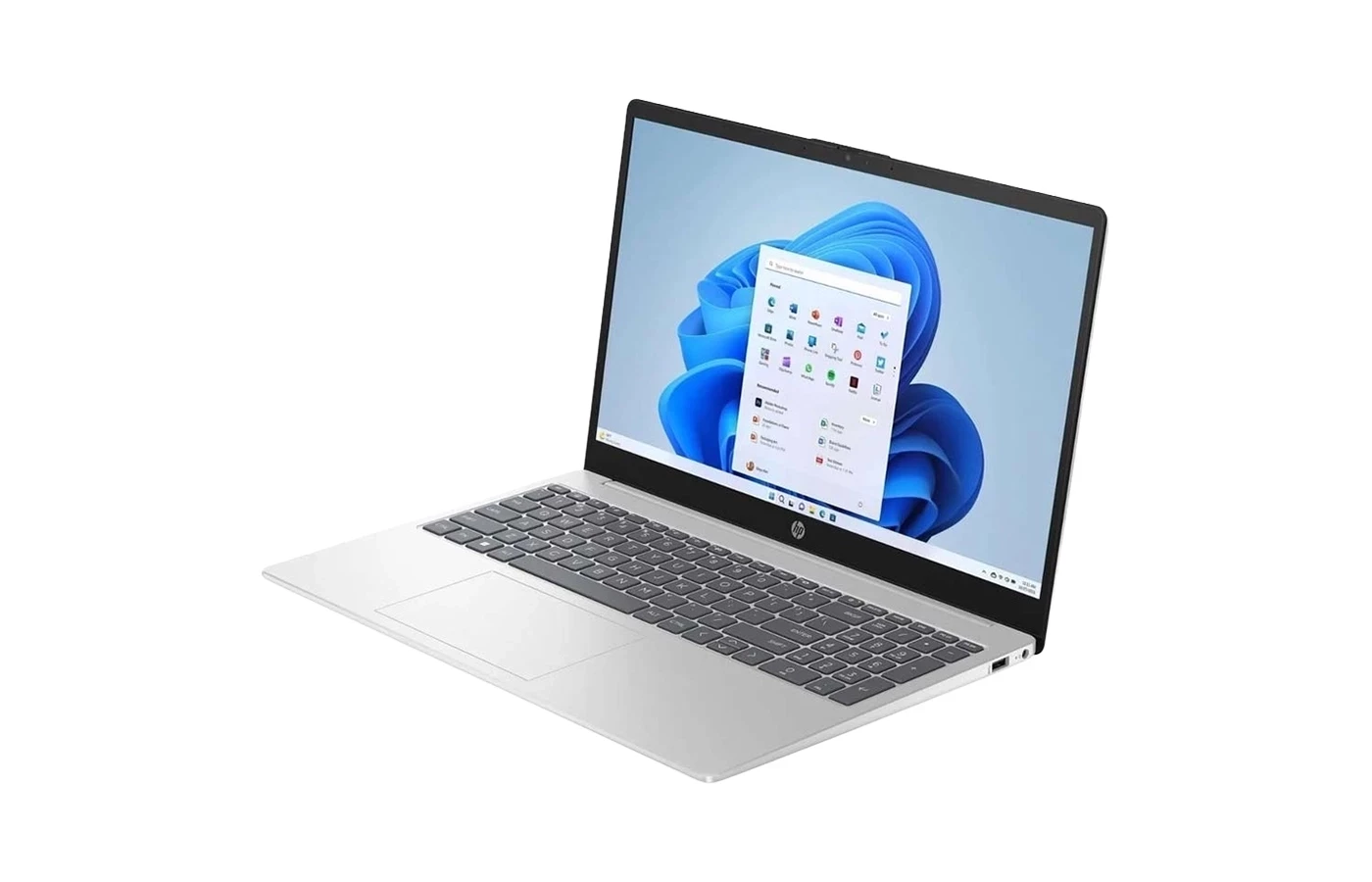
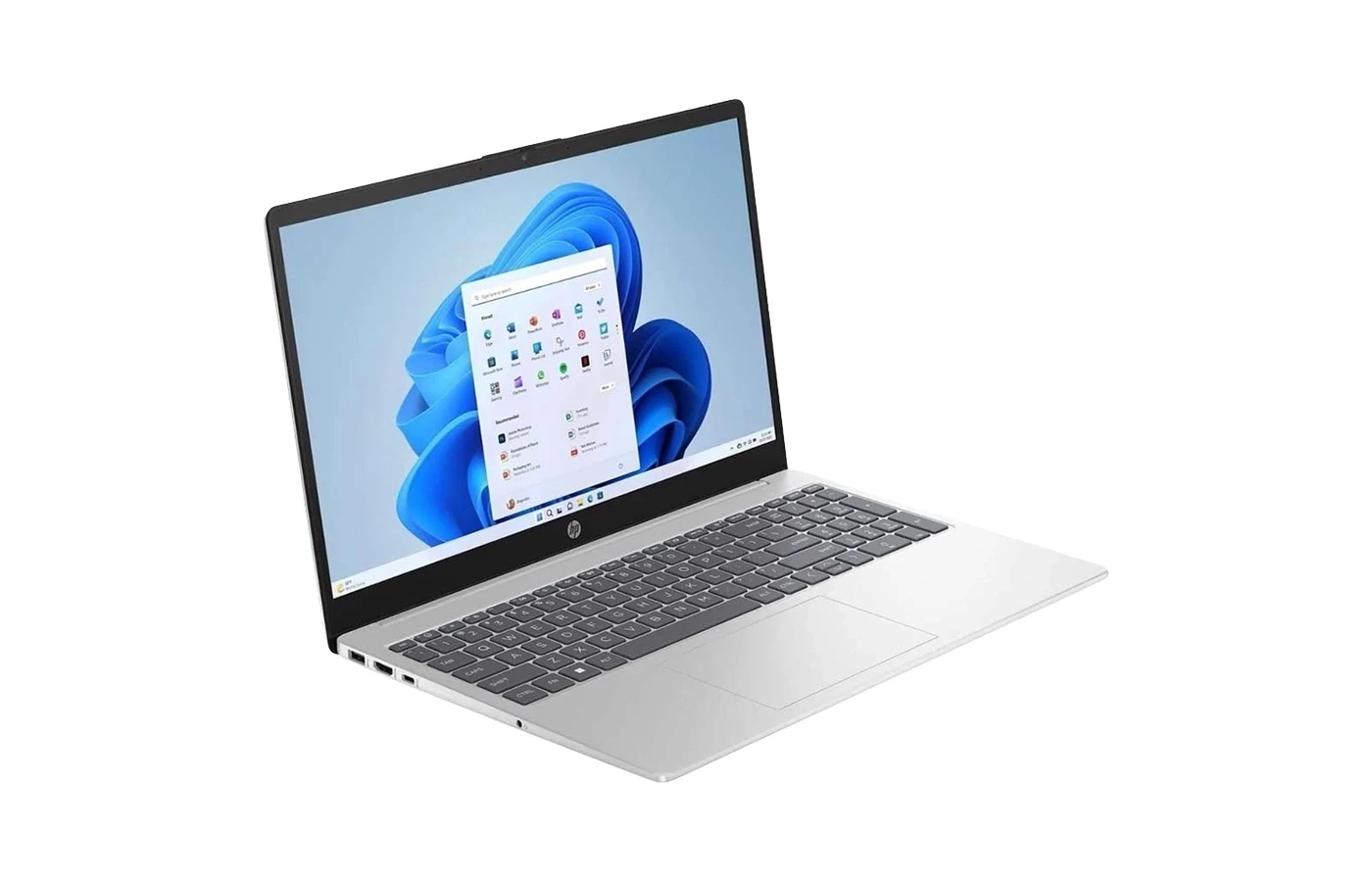


HP Laptop 15 Fc0196nia Ryzen 5 7520U Price In Nepal Absolute Hp Notebook 15 Fc0120nia Price. HP Laptop 15 Fc0196nia Ryzen 5 7520U Price In Nepal Absolute Hp Notebook 15 Fc0120nia Left. HP Laptop 15 Fc0196nia Ryzen 5 7520U Price In Nepal Absolute Hp Notebook 15 Fc0120nia Right. How To Build Your Own PC A Complete Beginner S Guide How To Build Your Own PC . How To Build Your Own Computer Gaming Desk How To Build Your Own Computer Gaming Desk 0

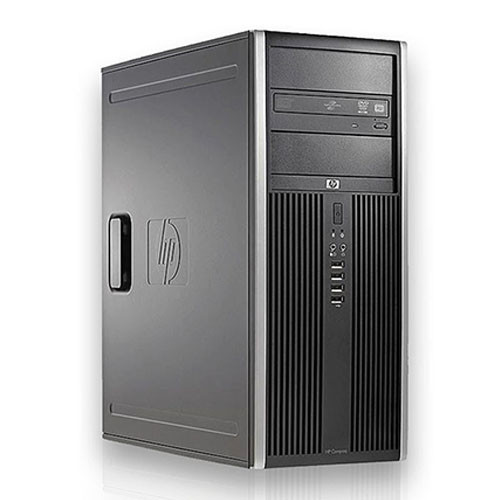
.jpg)


This Powerful 2026 HP All In One Desktop Computer Is Already 38 Off 1 . Customize Your HP Elite Windows 10 Desktop Computer Tower PC Intel Core 8100 8200 Tow 1 . HP Imagine 2026 HP Official Site HP Build Workspace Lifestyle Imagery (2) . HP Business Desktop Computers HP Models 2026 Elite HP Elite SFF Desktop Mounted Behind A Display In A Kiosk Setting .webp. HP At CES 2026 HP Official Site HP OmniStudio X 27 Inch AiO Desktop Next Gen AI PC EclipseGrey Front


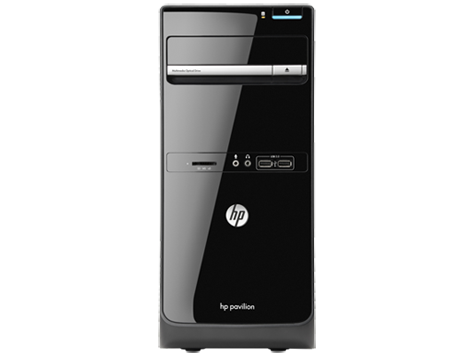


Build Your Own Custom HP Z6 G4 Workstation 1 Processor 3587871 . Build Your Own PC Shop HP Com Hong Kong W100 Hero Image Desktop . HP Pavilion P6 2026 Desktop PC HP Support C02894472 . HP Imagine 2026 HP Official Site HP EliteBook 6 G2q Next Gen AI PC . This Powerful 2026 HP All In One Desktop Computer Is Already 38 Off 3.fit


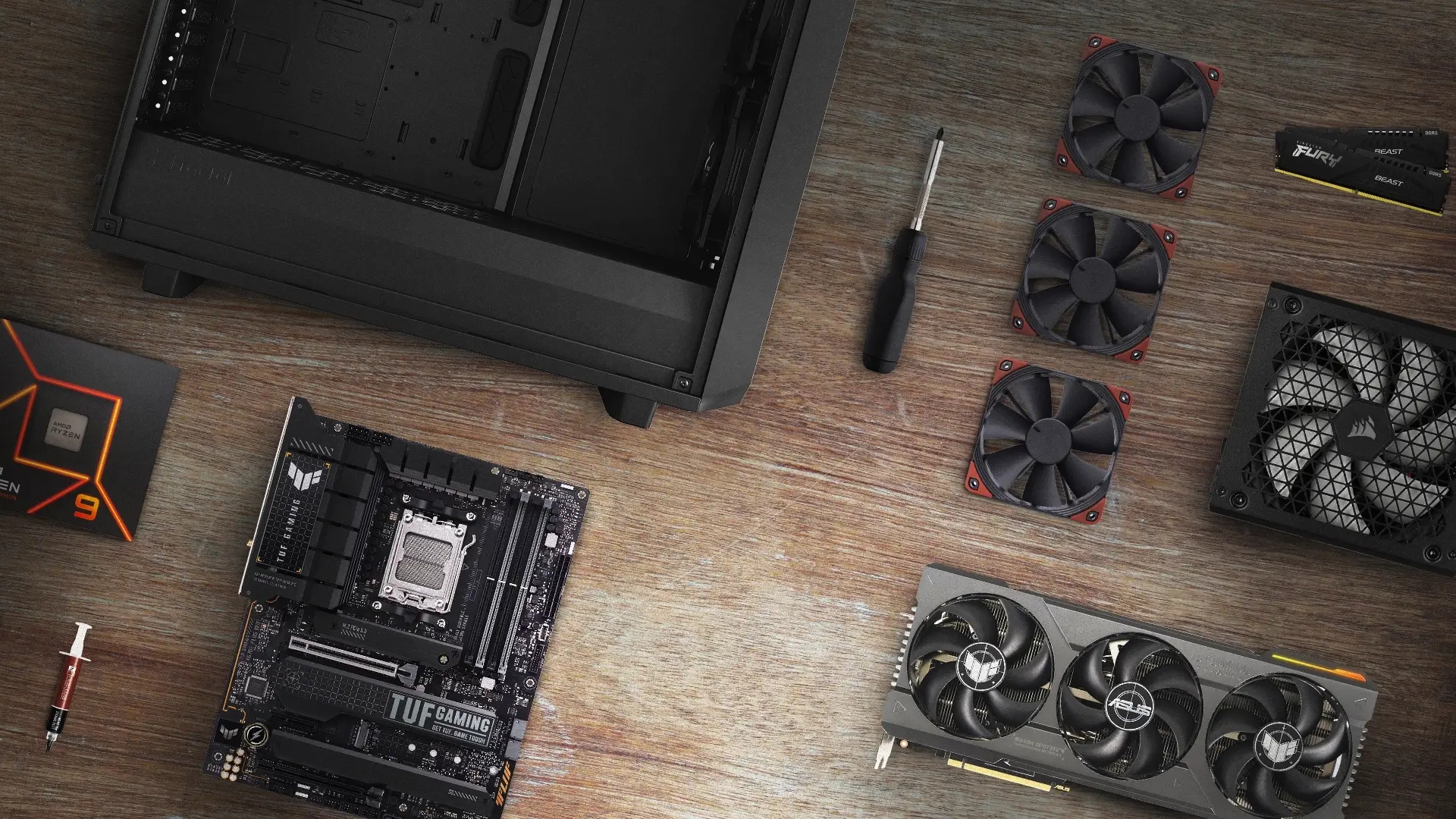


Build Your Own Computer Uk AC UF894,1000 QL80 . All Internal Parts Of A Computer How To Build Your Own Gaming Desktop . Custom PC Builder Build Your Own Custom Gaming PC Banner. Make Your Own Computer How To Build A PC From Scratch A Beginner S 714mnuG4q L. AC UF894,1000 QL80 . How To Build A 1 000 Gaming PC In 2026 Don T PCWorld Nvidia GeForce RTX GPU Graphics Card In Purple Glowing Desktop PC
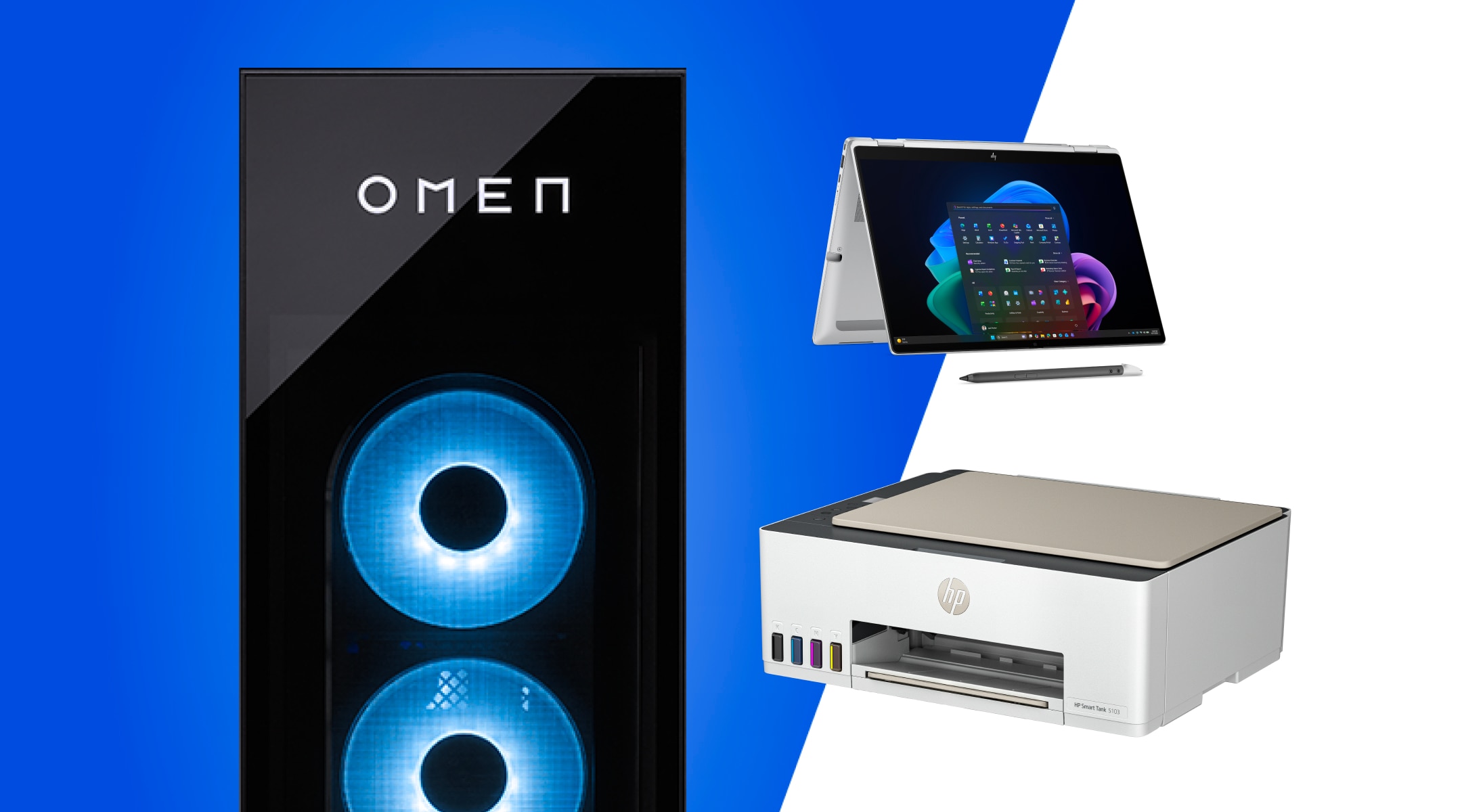
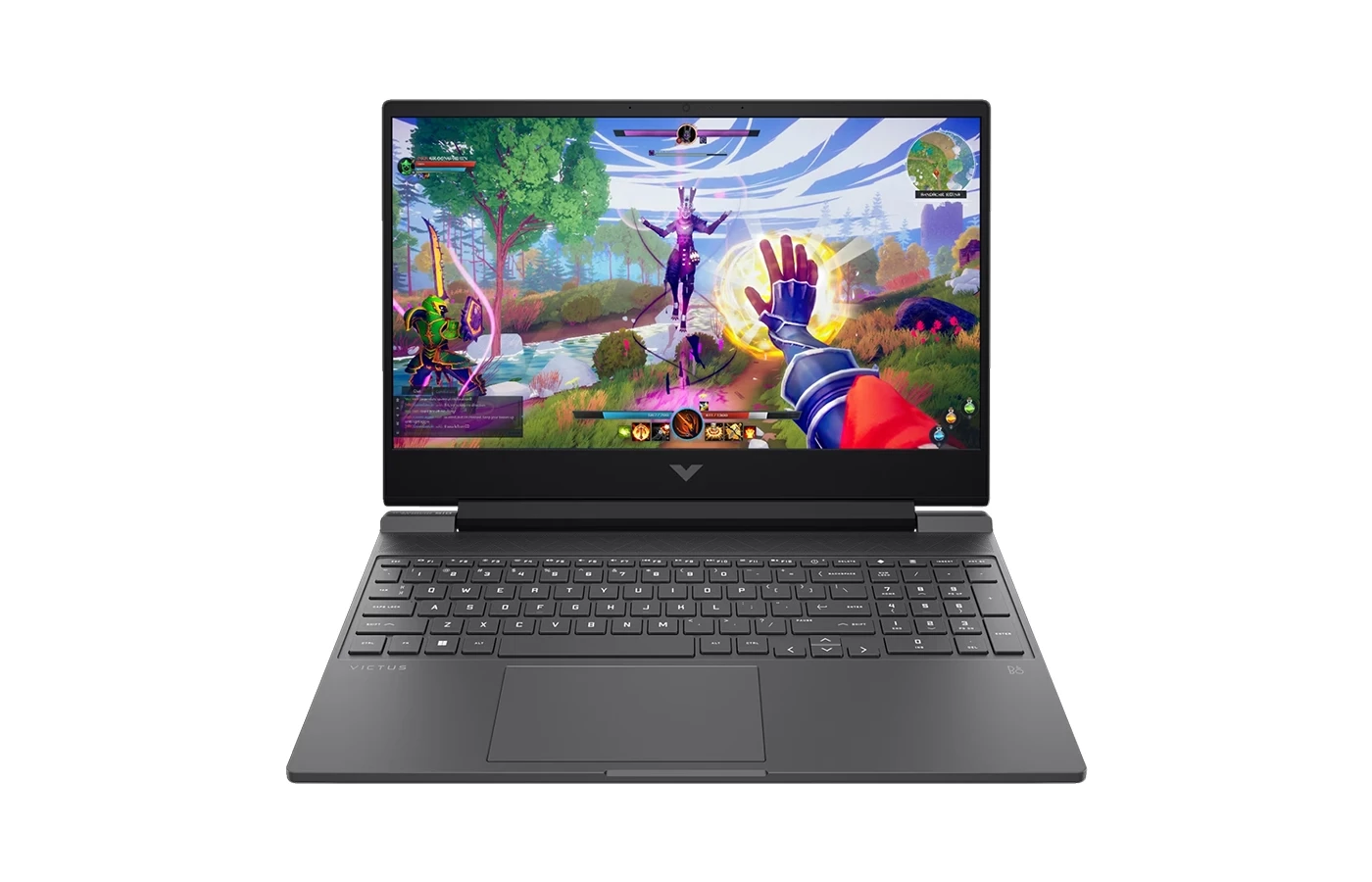
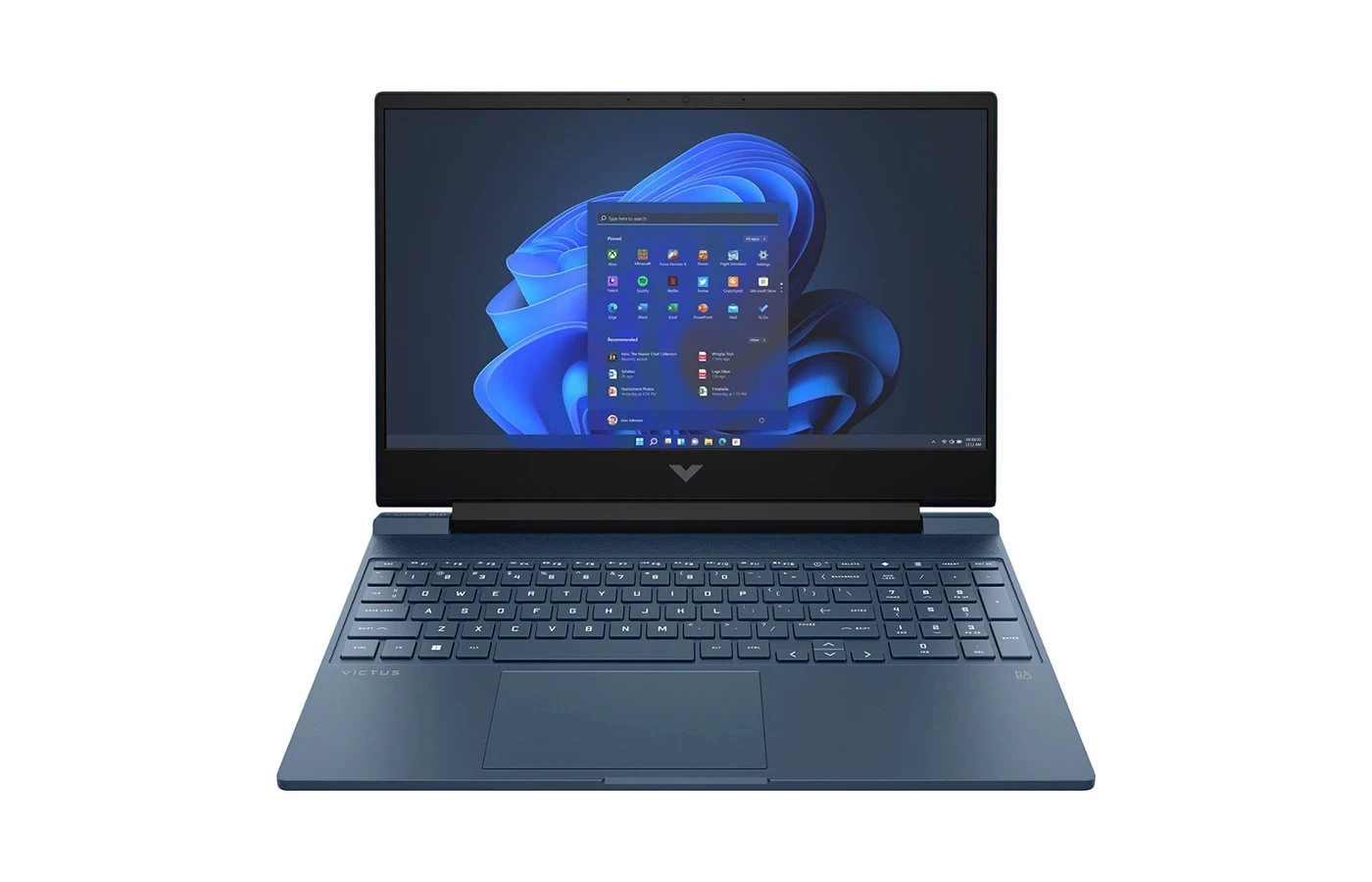
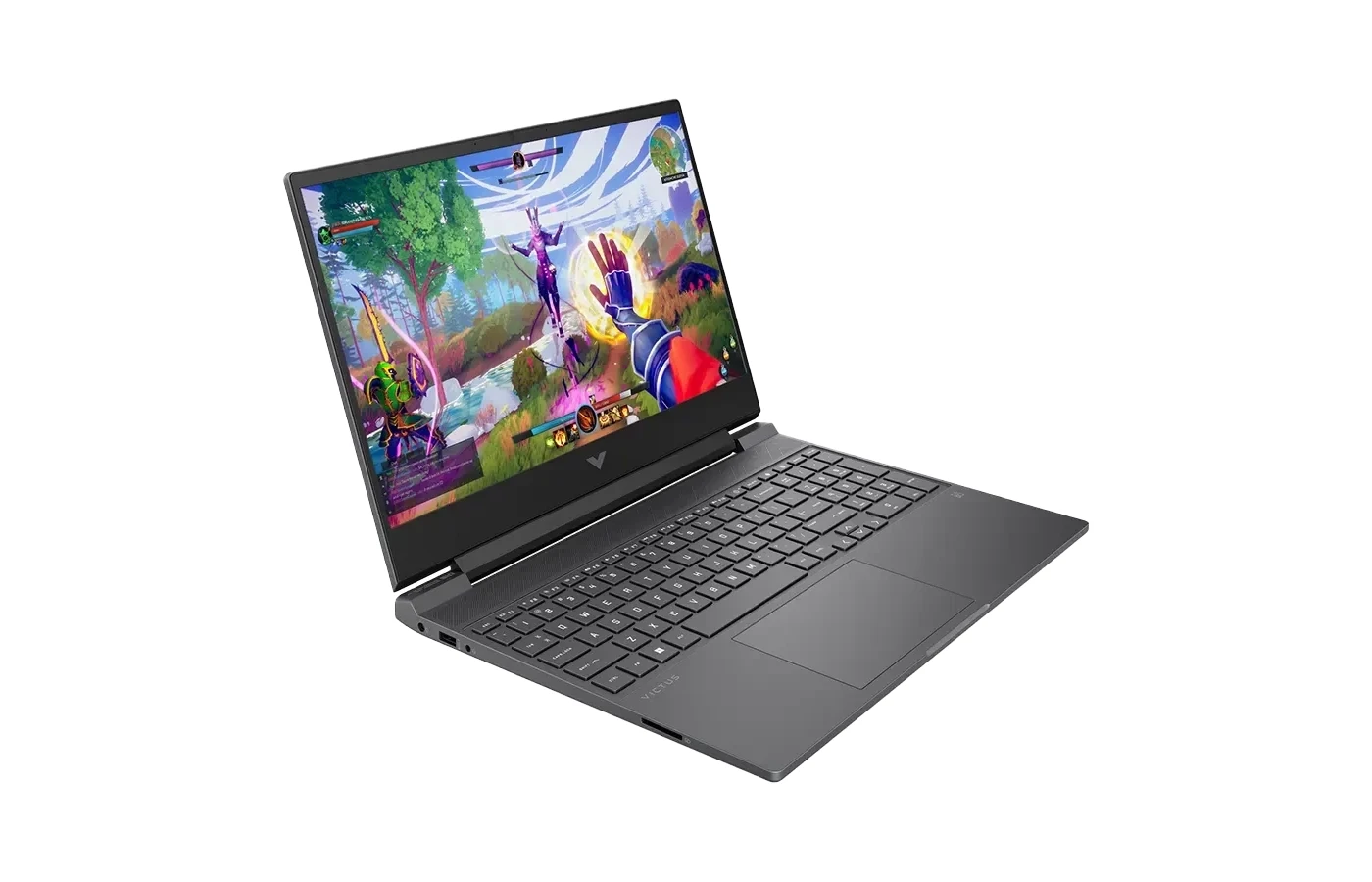
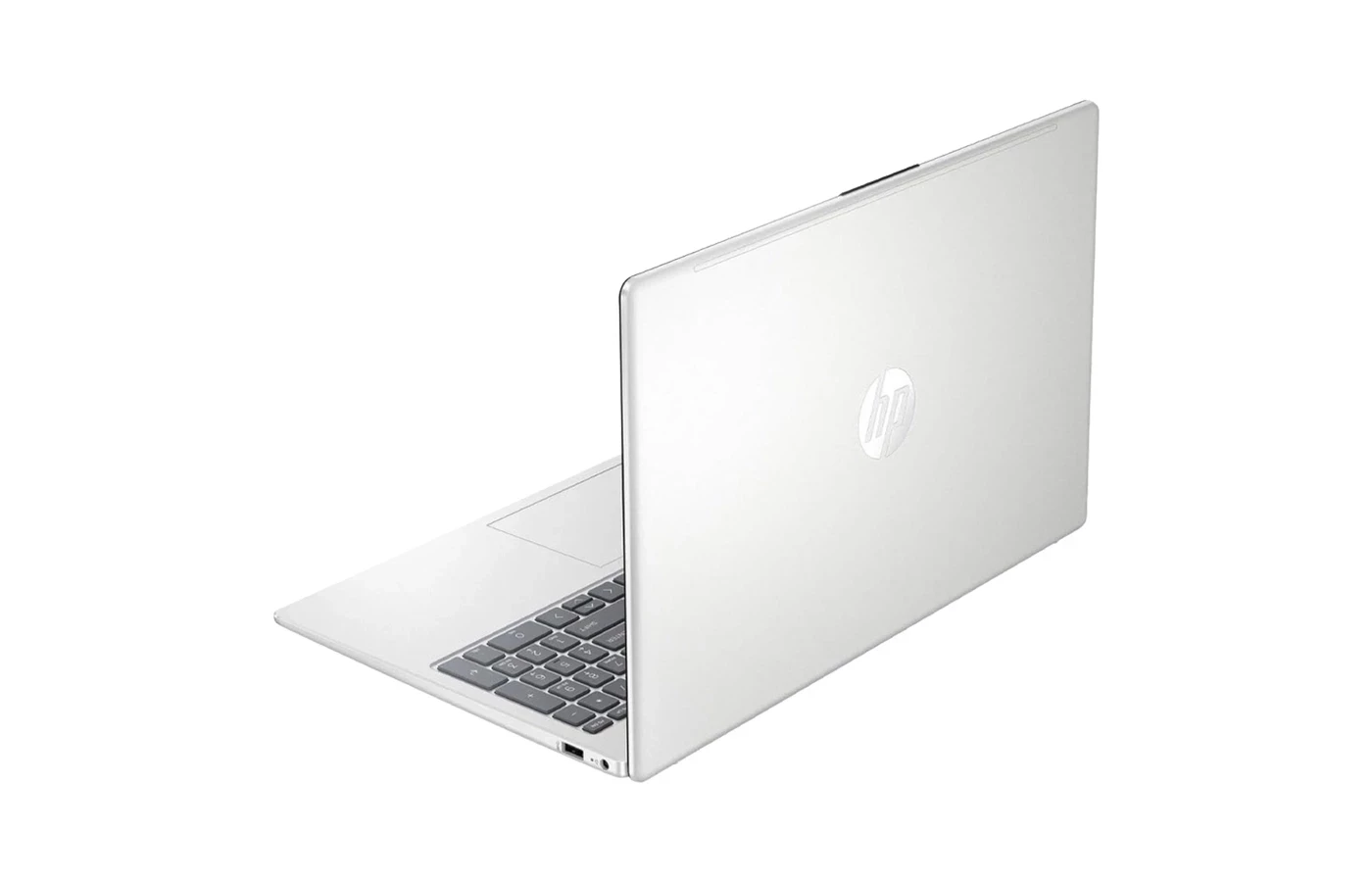
Laptop Computers Desktops Printers Ink Toner HP Official Site Ces 2026 Desktop 2x . HP Victus 15 Fb3120AX AMD Ryzen 7 7445HS RTX 3050 6GB 15 6 FHD Hp Victus 15 Price In Nepal. HP Victus 15 Fa2013dx I5 RTX 3050 16GB Price In Nepal Absolute Hp Victus 15 Intel Core I5 134. HP Victus 15 Fb3120AX AMD Ryzen 7 7445HS RTX 3050 6GB 15 6 FHD Hp Victus 15 Right Faced View. HP Laptop 15 Fc0196nia Ryzen 5 7520U Price In Nepal Absolute Hp Notebook 15 Fc0120nia Back